

Why Are Indian Spices Being Recalled Abroad? The Truth About Ethylene Oxide & How We Keep Your Kitchen Safe
By Shameer, Co-Founder of Seeds and Hands
If you've been following news about the spice recall in India 2024, you probably saw the headlines that made every Indian home cook do a double-take. Some of India's most trusted spice brands—the same ones our mothers and grandmothers have used for decades—faced recalls in Singapore and Hong Kong after authorities detected ethylene oxide in spice contamination.
For those of us who believe turmeric heals and spices are medicine, this was concerning. But before we panic-toss our spice racks, let's understand what actually happened and why finding safe spice brands matters more than ever.
What exactly is ethylene oxide?

Ethylene oxide (ETO) is a sterilizing gas used in the food industry. This method of ETO sterilization is valued for its strong antibacterial properties and is used to prevent microbial contamination like Salmonella in spices.
Here's where it gets tricky: The International Agency for Research on Cancer classifies ethylene oxide as carcinogenic to humans (Group 1), noting limited evidence in humans for associations with lymphatic and hematopoietic cancers and breast cancer, but sufficient evidence in experimental animals. This classification has led many countries to set strict food safety standards with tight limits on ETO residues in food.
Why big brands use it (and why we don't)
The industrial spice supply chain works differently than you might imagine. Large brands don't grow their own spices—they aggregate thousands of tons from hundreds of sources across multiple regions. This mixed stock often sits in warehouses for months or even years.
The longer spices sit in storage, especially in humid conditions, the higher the risk of mold and bacterial growth. Rather than improving sourcing or storage conditions through better food safety standards, the quick fix? Fumigation with ethylene oxide in spices.
At Seeds and Hands, we've built our entire model as one of the safe spice brands that avoids this problem altogether by focusing on what the industry calls clean label sourcing.
The high range advantage: why location matters

We source exclusively from the high-altitude regions of Wayanad and Idukki in Kerala—and this isn't just marketing poetry. Our commitment to low-pesticide spices starts with geography.
Spices grown in cool, misty high ranges naturally have fewer pest issues than those grown in hot plains. The elevation, climate, and mineral-rich soil create conditions where chemical intervention becomes less necessary, reducing the need for aggressive pesticide testing later.
Take our Wayanad turmeric: turmeric's active compound curcumin has potential anti-inflammatory and antioxidant properties, with research showing it may help manage conditions like arthritis and support brain health. When you're buying turmeric for its health benefits, contamination defeats the entire purpose.
Single origin = single accountability

When we say "single origin," we mean we know exactly which farm your spices came from. We're not mixing scraps from five different states and three countries. This traceability is our first line of defense and a cornerstone of the clean label movement.
Our 3-step safety protocol (the real talk version)

Let's be honest about pesticide testing and quality control. Many brands claim they "test every packet." In reality, lab testing every 100g pouch would make turmeric cost ₹5,000/kg—nobody's actually doing that at scale.
Here's what we actually do to maintain our standards as one of India's safe spice brands:
Step 1: the gatekeeper test
Before we ever buy from a new farmer, we take samples to NABL-accredited labs and test for pesticides, ethylene oxide, and heavy metals. These lab reports are non-negotiable—if they fail, we don't just reject the batch, we reject the partnership entirely. This rigorous pesticide testing ensures we source only low-pesticide spices from the start.
Step 2: periodic surveillance
Once a farmer is vetted, we conduct random audits. Trust is great; verification is better. We periodically re-test produce to ensure farmers haven't changed their methods, maintaining our commitment to meeting the highest food safety standards.
Step 3: farm visits over factory audits
During harvest seasons (August-January for cardamom, December-March for pepper), our team physically visits farms. We see the soil, the water, and the drying process firsthand. This transparency is what defines authentic clean label sourcing.
The bottom line: We might not test every teaspoon, but we rigorously test every source with certified lab reports. This risk-based approach ensures safety without inflating prices.
What about FSSAI testing?
After the spice recall India 2024 incidents, India's Food Safety and Standards Authority tested over 300 spice samples from manufacturing facilities. Their scientific panel found no traces of ethylene oxide in spices tested domestically.
This raises interesting questions about supply chain management and whether certain batches meant for export were handled differently with ETO sterilization. Either way, it reinforced the need for transparency in sourcing and stricter adherence to food safety standards.
3 simple home tests you can try
While you can't test for ethylene oxide in spices at home (that requires specialized lab reports and equipment), you can check for common adulterants. These tests are recommended by FSSAI and food safety authorities:
The turmeric water test (checks for chalk/starch adulteration)

Add 1 tsp turmeric to warm water without stirring. Pure turmeric settles at the bottom, leaving mostly clear water above. If the water turns immediately cloudy or milky, it may indicate chalk powder or starch adulterants.
Note: This simple test won't detect all adulterants. For metanil yellow (an illegal yellow dye), you'd need to add a few drops of hydrochloric acid—if it turns pink/magenta, the turmeric is adulterated.
The cinnamon check

Look at the bark. Ceylon cinnamon (what we source as part of our clean label commitment) has thin, paper-like layers rolled together that crumble easily. Cassia cinnamon is one thick, firm layer that's hard to break—and contains high levels of coumarin, a compound that can cause liver damage in sensitive individuals when consumed regularly in large amounts.
The black pepper float test

Drop a few peppercorns in water. Real pepper sinks; fake pepper (made from papaya seeds or other fillers) often floats.
These aren't perfect tests, but they're good starting points for quality checking at home. For detailed testing protocols, you can refer to FSSAI's Manual of Methods of Analysis of Foods on their official website.
The bigger picture: what should change?
The spice recall India 2024 incidents weren't just about individual brands—they highlighted systemic issues in industrial spice trading. Following the incidents, the Indian government mandated compulsory ethylene oxide testing and stricter pesticide testing for spice exports to Singapore and Hong Kong.
This is a step forward toward better food safety standards, but the real solution is transparency throughout the supply chain. When you know exactly where your spices come from, when they were harvested, and how they were stored, contamination becomes far less likely. This is the essence of what safe spice brands should offer.
Why single-origin matters for your health
Here's something worth remembering: research shows curcumin in turmeric may help with inflammation management, though its bioavailability is enhanced when combined with black pepper, which can increase absorption by up to 2,000%.
But here's the catch—these health benefits only matter if your spices are actually pure and meet clean label standards. Contaminated or adulterated spices aren't just ineffective; they potentially work against your health. That's why choosing safe spice brands with transparent lab reports matters.
Our promise (without the marketing fluff)
When you buy from Seeds and Hands, you're getting low-pesticide spices from specific farms in Kerala's high ranges. We don't use ETO sterilization because we don't need to; our spices move quickly from harvest to your home, properly stored throughout.
We conduct rigorous pesticide testing on our sources. We visit our farms regularly. We maintain a cold chain when needed. We provide lab reports from NABL-accredited labs. And we're transparent about what we can and cannot guarantee—this is what makes us one of the truly safe spice brands in India.
Can we promise every single peppercorn is 100% perfect? No—we're working with agriculture, not manufacturing widgets. But we can promise that we've done everything in our power to source clean-label, high-quality spices from trusted farmers who refuse to use dangerous chemicals, maintaining the highest food safety standards at every step.
Frequently asked questions
Is ethylene oxide banned in India?
Ethylene oxide is not completely banned in India for spice sterilization, but there are strict residue limits governed by food safety standards. Following the spice recall in India 2024, the Indian government mandated compulsory ETO testing for spice exports to Singapore and Hong Kong. The EU has stricter limits, allowing only 0.1 ppm residue, while many countries are moving toward zero-tolerance policies for ETO sterilization residues.
How can I tell if my spices are contaminated with ethylene oxide?
Unfortunately, you cannot detect ethylene oxide in spices at home—it requires specialized lab reports using gas chromatography. However, you can check for other adulterants using simple water and visual tests (see our home testing section above). For ETO-free low-pesticide spices, look for safe spice brands that source from single origins with transparent pesticide testing protocols and regular lab reports from NABL-accredited labs.
What is single-origin sourcing, and why does it matter?
Single-origin means spices come from one specific region or farm, rather than being mixed from multiple sources. This matters because: (1) it ensures traceability—you know exactly where your spices grew, (2) it reduces contamination risk since there's no mixing of batches from unknown sources, (3) it eliminates the need for aggressive sterilization methods like ETO sterilization since spices move quickly from farm to consumer, and (4) it supports the clean label movement that consumers increasingly demand.
Are all spice brands in India unsafe?
No. The spice recall India 2024 affected specific batches from certain brands, not the entire industry. Many Indian spice producers maintain high food safety standards. The key is to look for safe spice brands that: conduct regular pesticide testing, provide transparency about their supply chain with accessible lab reports, source low-pesticide spices from verified farms, and share their safety protocols openly. FSSAI testing of 300+ samples found no contamination in domestic products.
What should I look for when buying safe spices?
Look for: single-origin or geographically traceable low-pesticide spices, brands that share their pesticide testing protocols and lab reports, NABL-accredited labs certifications, proper packaging with harvest dates meeting clean label standards, and companies that visit their farms regularly. Among safe spice brands, avoid those using ETO sterilization. Also avoid suspiciously cheap spices or those stored in bulk bins at stores. Fresh spices should have a strong aroma—if they smell weak or musty, they're likely old or improperly stored.
The bottom line
Spices should enhance your health, not compromise it. The spice recall India 2024 involving ethylene oxide in spices was a wake-up call about the hidden costs of industrial food systems and inadequate food safety standards.
At Seeds and Hands, we're not just selling spices—we're offering an alternative among safe spice brands. Our commitment to low-pesticide spices, single-origin sourcing from Kerala's high ranges, transparent pesticide testing with verified lab reports from NABL-accredited labs, clean label practices that avoid ETO sterilization, and direct relationships with farmers who share our values set us apart.
Because when you're cooking for the people you love, you deserve to know exactly what's going into your food. That's the promise of truly safe spice brands that prioritize transparency and quality over shortcuts.
About the author
Shameer serves as the Co-founder of Seeds and Hands, a spice company dedicated to sourcing single-origin, low-pesticide, and zero-pesticide spices directly from farmers. With extensive experience working alongside spice cultivators in Wayanad, Kerala, he has played a key role in building transparent, quality-driven sourcing networks.
His understanding of spice cultivation is shaped by close relationships with farming communities and hands-on involvement in sourcing and quality assessment, enabling Seeds and Hands to connect conscious consumers with authentic, responsibly sourced spices.
References
[1] IARC Monographs on Ethylene Oxide Classification - Source
[2] Study on Piperine Enhancement of Curcumin Bioavailability - Source
[3] European Food Safety Authority Guidelines on Coumarin- Source
Mentioned Products
-
-
-
-
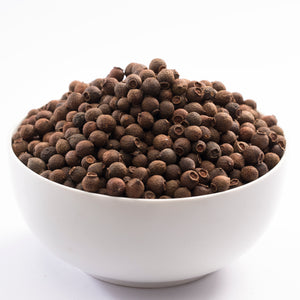
-
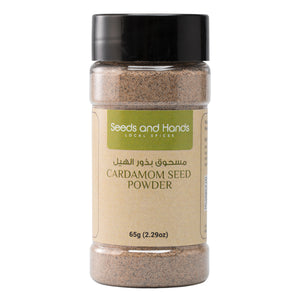
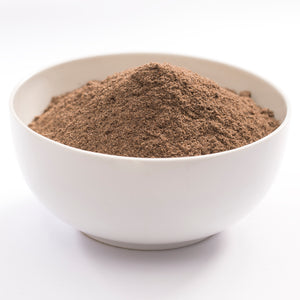
वायनाड इलायची बीज पाउडर [100% शुद्ध और प्राकृति...
नियमित रूप से मूल्य ₹595.00विक्रय कीमत ₹595.00यूनिट मूल्य प्रति -
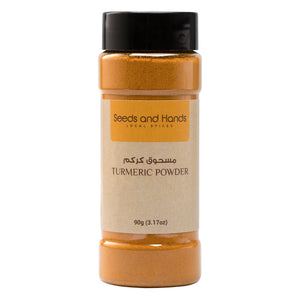
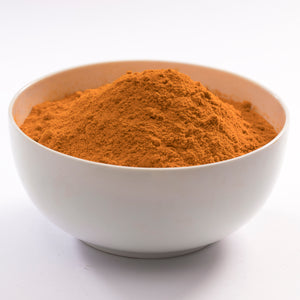
वायनाड हल्दी पाउडर [100% शुद्ध और प्राकृतिक]
नियमित रूप से मूल्य ₹190.00विक्रय कीमत ₹190.00यूनिट मूल्य प्रति
