
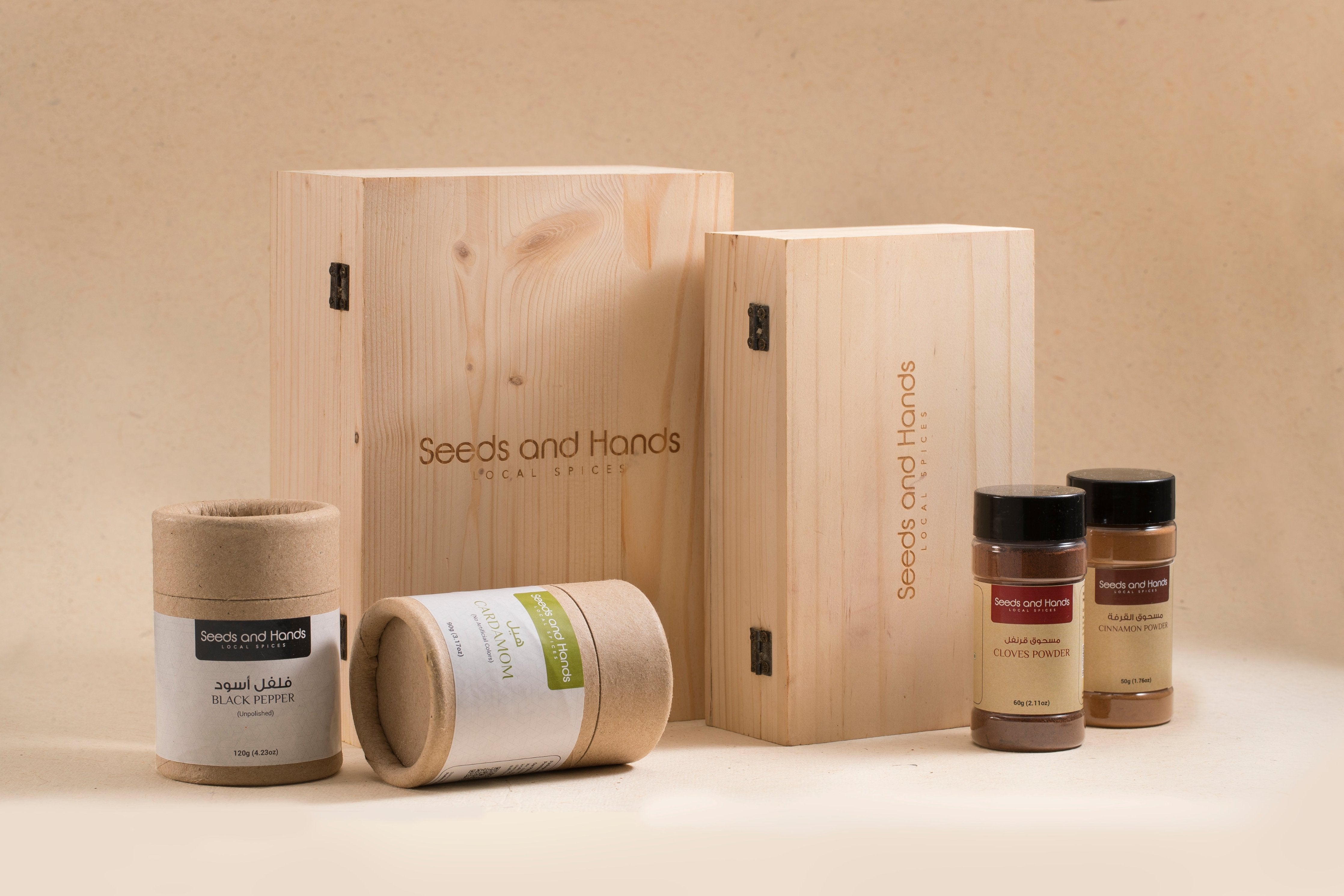

7 Ways to Use Turmeric Daily (Beyond Golden Milk)
By Maryum, Recipe Developer & Home Cook
Turmeric can be incorporated into your daily routine by adding it to scrambled eggs, rice and grain dishes, salad dressings, smoothies, soups, roasted vegetables, and condiments. The key is pairing turmeric with black pepper and healthy fats to enhance absorption of curcumin, its active compound with anti-inflammatory and antioxidant properties.
By now, everyone's heard of golden milk—that Instagram-worthy turmeric latte that has dominated wellness circles for the past few years. And while golden milk is genuinely beneficial, it represents just a tiny fraction of how this golden spice can enhance your daily cooking and health.
As someone who grew up around Kerala's spice traditions, I've watched turmeric move from our everyday cooking staple to a global superfood sensation. But in all the excitement about supplements and lattes, we've somehow forgotten the most obvious truth: turmeric belongs in your food. Real, everyday food. Not just ceremonial health drinks.
Turmeric is a deep, golden-orange spice that comes from the rhizome (root) of a native Asian plant and has been used in cooking for hundreds of years, as well as in Ayurvedic and traditional Chinese medicine. The active compound that gives turmeric its health benefits is curcumin, which has both antioxidant and anti-inflammatory properties.
Here are seven simple, delicious ways to work turmeric into your daily meals—no special equipment or exotic recipes required.
1. Start Your Morning: Turmeric Scrambled Eggs

This is perhaps the easiest turmeric habit you can build. When added to eggs, turmeric kicks up otherwise bland flavors.
While whisking your eggs in the morning, add a quarter teaspoon of turmeric powder along with your usual salt and pepper. The turmeric adds an earthy depth without overwhelming the eggs' natural flavor. The result is visually stunning—bright yellow eggs that look like they came from a farm where chickens eat nothing but sunshine.
The fat content in eggs is actually ideal for turmeric absorption. Your body best absorbs the curcumin in turmeric when paired with fat and black pepper components. So when you add that crack of black pepper to your turmeric eggs, you're not just adding flavor—you're making the curcumin significantly more bioavailable.
I make this every Sunday morning, often adding a handful of spinach or kale. The turmeric's golden hue makes even a simple scramble feel special, and you're starting your day with genuine anti-inflammatory support rather than just a caffeine jolt.
Pro tip: If you're making an omelet or frittata, add the turmeric to your egg mixture. For poached or fried eggs, dust a tiny pinch over the top after plating.
2. Transform Your Grains: Turmeric Rice, Quinoa, and Beyond

Turmeric can be added to any grain you are cooking, such as rice, quinoa, barley or farro. This is a strategy I learned from watching my grandmother cook—she never made plain rice. Every pot had at least a pinch of turmeric.
Add half a teaspoon of turmeric to the cooking water when you're preparing rice, quinoa, couscous, or any grain. The spice infuses throughout as the grain absorbs the water, creating an even golden color and subtle flavor that pairs beautifully with nearly any topping or sauce.
This technique is standard in many Indian rice preparations and Persian cooking, where turmeric-infused rice forms the base for elaborate pilafs. But it works equally well for your weeknight grain bowl or as a side dish to roasted chicken.
The beauty of this method is its versatility. Turmeric rice pairs with Mediterranean flavors, Asian stir-fries, Mexican beans, or simply butter and salt. You're not committing to a specific cuisine—you're just enhancing whatever you're making with a boost of color and health benefits.
Measurement guide: For every cup of uncooked grain, use 1/4 to 1/2 teaspoon of turmeric. Start with less if you're new to the flavor.
3. Elevate Your Salad Dressings and Marinades

Turmeric can be added to salad dressings and sauces, transforming ordinary vinaigrettes into functional foods. Turmeric can be stirred into any condiment for a nutrition boost.
Create a basic turmeric vinaigrette by whisking together:
-
3 tablespoons olive oil
-
1 tablespoon vinegar (apple cider or white wine)
-
1/2 teaspoon turmeric powder
-
1/2 teaspoon Dijon mustard
-
1/4 teaspoon black pepper
-
Salt to taste
-
Optional: a small drizzle of honey or maple syrup
The oil in the dressing helps your body absorb the curcumin, while the black pepper enhances that absorption dramatically. This dressing works beautifully on mixed greens, roasted vegetable salads, or grain bowls.
You can apply the same principle to marinades for chicken, fish, or tofu. Mix turmeric with yogurt, lemon juice, garlic, and spices for a classic tandoori-style marinade, or combine it with soy sauce, ginger, and sesame oil for an Asian-inspired version.
I keep a jar of turmeric-ginger dressing in my refrigerator at all times. It lasts about a week and makes throwing together a healthy lunch effortless.
4. Supercharge Your Smoothies (The Right Way)
Adding turmeric to your favorite juice or smoothie recipe will brighten the nutritional notes of any orange juice, carrot juice or ginger-kale smoothie.
Unlike golden milk, which requires warming and whisking, adding turmeric to smoothies is nearly foolproof. The blender does all the work of incorporating the powder, and the other ingredients mask any potential bitterness from using too much.
Start with 1/4 to 1/2 teaspoon of turmeric powder in your regular smoothie recipe. Pair it with ingredients that contain fat—coconut milk, avocado, nut butter, or yogurt—to enhance absorption. The black pepper trick works here too: add a tiny pinch (you won't taste it, but your body will benefit).
Turmeric pairs particularly well with:
-
Mango and coconut milk
-
Pineapple and ginger
-
Banana and almond butter
-
Carrot and orange juice
The golden color is visually appealing, especially if you're serving smoothies to children or trying to make healthy eating more attractive. My niece calls her morning smoothie "sunshine juice" and has no idea she's consuming one of the most studied anti-inflammatory compounds in nutrition science.
5. Deepen Your Soups and Stews
Turmeric adds depth of flavor and a pleasing color to Thai or other Asian dishes, as well as stews and chilis. It's also great in chicken soup.
When making any soup or stew, add turmeric along with your other spices during the sautéing phase. The heat helps release turmeric's aromatic compounds, and the liquid base allows it to distribute evenly throughout the dish.
If you are experiencing gut problems, try making a soothing soup with chicken broth and a pinch of turmeric to get relief. Turmeric's traditional use in digestive health is supported by its anti-inflammatory properties.
Try adding turmeric to:
-
Classic chicken noodle soup
-
Lentil or split pea soup
-
Vegetable minestrone
-
Thai curry soup
-
Bone broth
The amount you use depends on the soup's flavor profile. For a delicate chicken soup, 1/4 teaspoon per pot is sufficient. For a bold curry-based soup, you might use a full teaspoon or more.
One of my favorite cold-weather meals is a simple turmeric-ginger soup: sauté onions and fresh ginger, add turmeric and vegetable broth, then blend until smooth. Finish with coconut milk and fresh lime juice. It's warming, healing, and costs almost nothing to make.
6. Roast Vegetables with Turmeric

Roasted vegetables become something special when you add turmeric to the mix. The spice caramelizes slightly in the oven, creating a more complex flavor than raw turmeric powder delivers.
In cooking, turmeric pairs well with root vegetables and dark, leafy greens, such as kale, spinach and collard greens.
For any roasted vegetable dish, toss your vegetables with:
-
Olive oil (or another healthy fat)
-
Turmeric powder (1/2 to 1 teaspoon)
-
Black pepper
-
Salt
-
Other complementary spices
Vegetables that work particularly well with turmeric:
-
Cauliflower (the classic combination)
-
Sweet potatoes
-
Carrots and parsnips
-
Brussels sprouts
-
Butternut squash
The high heat of roasting (400-425°F) brings out turmeric's earthy sweetness while the fat helps brown the vegetables beautifully. Research has shown that boiled and roasted turmeric still possess antioxidant capacities, so you don't need to worry about cooking destroying all the health benefits.
I meal prep roasted turmeric cauliflower every week. It stays good in the refrigerator for four to five days and works as a side dish, grain bowl topping, or even a snack straight from the container.
7. Boost Your Condiments and Spreads
Turmeric can be stirred into condiments like hummus, ketchup, or barbecue sauce for a nutrition boost.
This is perhaps the most overlooked way to get daily turmeric. By adding it to condiments you use regularly, you're getting small, consistent doses without having to think about it every single time.
Try mixing turmeric into:
-
Hummus (add 1/2 teaspoon per cup)
-
Mayonnaise or aioli for sandwiches
-
Mustard (it's already yellow, so the color change is subtle)
-
Yogurt-based dips and sauces
-
Guacamole
-
Butter (make a compound butter with turmeric for bread or vegetables)
I keep a container of turmeric-spiced hummus in my refrigerator at all times. It's my default afternoon snack with vegetables, and I spread it on sandwiches instead of mayonnaise. One batch gives me a week's worth of effortless turmeric intake.
For butter lovers, try this: soften a stick of butter, mix in 1 teaspoon of turmeric and a good amount of black pepper, then reshape and refrigerate. Use this golden butter on toast, steamed vegetables, or melted over fish. It's simple, delicious, and makes you feel like you're doing something genuinely beneficial for your health—because you are.
Understanding Turmeric Absorption: The Black Pepper Secret
Throughout this article, I've mentioned black pepper repeatedly. Here's why it matters so much: black pepper extract (piperine) improves curcumin absorption by up to 2,000%.
Without this enhancement, your body absorbs very little of the curcumin you consume. This is why traditional recipes that use turmeric almost always include black pepper—our ancestors figured out through trial and error what science has now confirmed.
Incorporating turmeric into a meal with fats such as oils can also increase the absorption of curcumin by the gastrointestinal tract. This is why cooking with turmeric in oil-based dishes, creamy preparations, or fatty foods works so well.
You don't need much black pepper—just a few grinds—and you don't need to taste it prominently. Think of black pepper as turmeric's essential companion, not a separate seasoning.
A Note on White Wild Turmeric
While regular turmeric (Curcuma longa) is what most people know, there's another variety worth mentioning: White Wild Turmeric, or Curcuma zedoaria.
Curcuma zedoaria is a rhizomatous herb in the ginger family, used traditionally for digestion, inflammation, and skin ailments. Various parts of this plant are used in Ayurveda and other folk medicines for the treatment of different ailments such as diarrhoea, cancer, flatulence and dyspepsia.
White Wild Turmeric has a slightly different flavor profile—more similar to ginger, except with a very bitter aftertaste—and contains different active compounds, including curzerenone and furanodiene, which give it unique antimicrobial and digestive properties.
In Kerala's traditional medicine, we use both types of turmeric for different purposes. Regular turmeric for general anti-inflammatory support and cooking, White Wild Turmeric for specific digestive issues and topical applications. The white variety is less commonly found in Western markets but is worth seeking out if you're interested in traditional Ayurvedic practices.
Making Turmeric a Habit, Not a Chore
The key to benefiting from turmeric is consistency, not mega-doses. You can safely use turmeric in cooking every day, and those small daily additions accumulate into real health support over time.
Research results show that people who have osteoarthritis reported less joint pain when eating turmeric in recipes. Studies have also shown that turmeric may reduce joint inflammation and pain associated with osteoarthritis. The effects come from regular use, not occasional turmeric shots.
Don't overthink it. Pick two or three of the methods above and rotate them through your week. Maybe Monday is turmeric eggs, Wednesday is turmeric rice with dinner, and Friday you make a big pot of turmeric soup. That simple rotation gives you consistent curcumin intake without requiring you to become a turmeric evangelist.
The goal isn't perfection—it's integration. Turmeric should enhance your existing cooking habits, not replace them with complicated new recipes you'll never actually make.
Frequently Asked Questions
Does cooking destroy turmeric's health benefits?
No. While some antioxidant activity may decrease with very high heat, research shows that boiled and roasted turmeric still retains significant beneficial properties. In fact, heating can improve the solubility of some beneficial compounds. Cook with turmeric freely.
How much turmeric should I use daily?
For culinary use, anywhere from 1/4 teaspoon to 1 teaspoon daily is reasonable and safe for most people. You don't need massive amounts—consistent small doses are more effective than occasional large ones. If you're considering supplements for specific health conditions, consult with a healthcare provider.
Can I use fresh turmeric root instead of powder?
Absolutely. Fresh turmeric root works beautifully in all these applications. You'll need more by volume (roughly 1 tablespoon fresh grated root equals 1 teaspoonof powder). Be aware that fresh turmeric stains even more intensely than powder, so handle with care or wear gloves.
Why does turmeric stain everything?
Turmeric contains curcumin, an intensely pigmented compound that bonds readily to surfaces. Use glass or stainless steel containers, not plastic. If you do get stains, sunlight actually helps break them down—leave stained items in direct sun for a few hours. Gentle abrasive cleaners or diluted chlorine can remove countertop stains.
Is there anyone who shouldn't use turmeric?
While turmeric is safe for most people in food amounts, those taking blood-thinning medications, people with gallbladder issues, or individuals preparing for surgery should consult their healthcare provider before consuming large amounts. Pregnant women should also check with their doctor, though culinary amounts are generally considered safe.
About the Author
Maryam manages digital marketing at Seeds & Hands and contributes to developing easy, home-style recipe blogs. With a genuine interest in cooking, she focuses on presenting recipes in a way that's straightforward and practical. She prefers using familiar spices and simple methods so readers can prepare each dish comfortably in their own kitchens.