
Finding a Good Spice Shop in Kochi: What Should You Look For?
By Shameer, Co-Founder, Seeds and Hands
Walking through the spice markets of Kochi is an experience in itself. Sacks of black pepper, green cardamom, cloves and dried ginger sit alongside shelves filled with colourful spice powders. Some shops have been trading for generations, while others cater to customers looking for everyday kitchen essentials.
But when you walk into a spice shop, how do you know whether you are buying good-quality spices? Are they sourced directly from farms? Are different varieties being mixed? Are you paying the right price? And what about pesticide residues?
We decided to take a closer look at Kochi's spice-shopping areas and put together a few things worth checking before making your purchase.
We are Seeds and Hands, a spice brand based in Kochi. We want customers to understand what goes into the spices they buy, whether they eventually purchase from us or another shop.
Where should you go looking for spices in Kochi?
When talking about buying spices in Kochi, a few areas are worth exploring.
Jew Town, Mattancherry

One of the most recognisable places associated with Kochi's spice trade, Jew Town has a history closely connected to merchants and spice trading. Located near Mattancherry Palace and the Paradesi Synagogue, its narrow streets have traditional buildings, spice shops and warehouses. You can explore different shops selling whole spices, powders and other local products while experiencing the area's trading heritage.
Bazaar Road, Mattancherry

If you want to see the wholesale side of the spice business, Bazaar Road is worth exploring. The area has traditional warehouses and traders handling agricultural commodities such as black pepper, ginger, turmeric and cardamom. Unlike the more tourist-oriented streets of Jew Town, this area gives you a closer look at the commercial movement of spices.
Broadway and Ernakulam Market

On the Ernakulam side, Broadway and the surrounding Ernakulam Market area are well-known commercial shopping destinations. Alongside groceries and household products, you will find retailers and wholesale traders dealing in different spices. It is another area worth exploring if you want to compare varieties and prices.
Each of these areas offers a different shopping experience. Whether you are buying a small quantity for your kitchen or exploring wholesale options, visiting a few shops before making your purchase is always worthwhile.
You walk into a shop. What should you actually look for?

Imagine you are looking for black pepper. Before asking for the price, take a closer look at what is being sold.
Are there too many broken berries, stalks, dust or visible foreign materials? Does the stock look clean and dry? Can the seller show you the actual product?
A few things to check:
-
Black pepper: Look for reasonably clean peppercorns without excessive broken pieces or foreign matter.
-
Cardamom: Check for damaged or empty pods and ask about the grade.
-
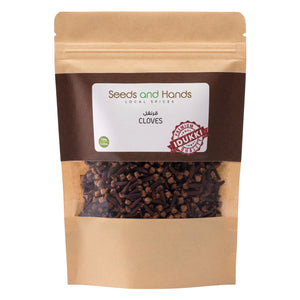
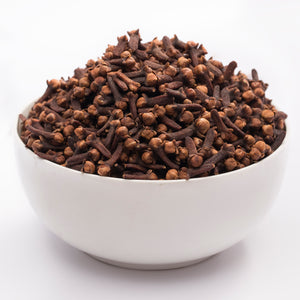
Cloves: Look for whole cloves rather than excessive broken pieces and stems.
-
Turmeric: Check whether it is properly dried and free from visible foreign matter.
These are basic visual checks, not scientific quality tests. A spice can look good and still have issues that cannot be identified by appearance alone.
Is the spice actually from the farm, or is it a mixture?

This is one of the most useful questions you can ask a spice seller.
When buying black pepper, for example, ask whether it comes from Wayanad, Idukki or another growing region. Is it sourced from one region, or has produce from different locations been combined?
There is nothing wrong with selling a mixture, provided the product is represented honestly. But if something is sold as single origin, the seller should be able to explain where it comes from.
A few questions worth asking:
-
Do you source directly from farmers or through wholesalers?
-
Which region is this spice from?
-
Is it single origin or a mixture of different sources?
Knowing where your spices come from is a good starting point for understanding what you are buying.
What about pesticide use in spices?

This is something customers should pay attention to.
Pesticides are used in agriculture to protect crops from insects and diseases. Sometimes, traces of these chemicals can remain in harvested produce. These are known as pesticide residues.
Here is something important to understand: you cannot identify pesticide residues by looking at, smelling or tasting a spice. Laboratory testing is needed.
An FSSAI monitoring study conducted during 2017–18 analysed 1,242 spice samples across India. Residues were detected in some samples, while 150 exceeded the applicable permitted limits. Although this is historical data, it highlights why responsible sourcing and testing matter.
Before you pay: A few more things worth checking
Apart from origin and pesticide testing, there are a few practical things to consider.
Check the weight and price: Compare prices for similar varieties and grades. Make sure you know whether the quoted price is for 100 grams, 250 grams or one kilogram.
Ask about storage: Spices should be protected from moisture, excessive heat and prolonged exposure to air. Check whether the containers are clean, dry and properly covered.
Check the packaging and labelling: For packaged spices, look for the ingredients, net quantity, manufacturer's details, FSSAI licence details and batch information.
Ask for a bill: Always ask for a proper bill showing the product and quantity purchased.
A little about how we source our spices at Seeds and Hands

Since we are talking about choosing a good spice shop, we should also tell you what we look for when sourcing our own spices.
At Seeds and Hands, we work with small-scale farmers in Wayanad and Idukki to source single origin spices.
Our process starts with identifying suitable growing locations and visiting farms. We select samples and have them tested against relevant pesticide standards before onboarding a source.
We also maintain relationships with our farmers and carry out periodic testing as part of our quality approach. Our focus is on low-pesticide sourcing, traceability and maintaining the natural characteristics of the spices without artificial colours.
We are located in Chakkamadam, near Jew Town in Mattancherry, an area with a long connection to Kochi's spice trade.
Being part of a place with this history makes our connection to Kerala's spices particularly meaningful to us.
If you are exploring quality spices, you can also take a look at our single origin spice collection at Seeds and Hands.
Before you leave the spice shop...
Whether you are walking through Jew Town, exploring the warehouses along Bazaar Road or shopping at Broadway, take a little time before making your purchase.
Look at the spices. Check how they are stored. Compare similar products and prices. Ask where they come from, whether they are mixed with produce from other regions and whether pesticide testing is carried out.
You don't have to be an expert in spices to make a good purchase. You just need to know what questions to ask.
And the next time someone asks you where to buy spices in Kochi, you will know that finding a good spice shop is not just about finding the shop with the most colourful display or the lowest price.
It is about knowing what you are taking home.
Disclaimer
This blog is written and published by the team behind Seeds and Hands, a spice brand engaged in sourcing and selling spices. While we may have a commercial interest in the category, all information shared here is based on verified sources, hands-on industry experience, and internal quality checks. Opinions expressed are our own and are intended for educational and informational purposes only.
About the Author
Shameer serves as the Co-founder of Seeds and Hands, a spice company dedicated to sourcing single-origin, low-pesticide, and zero-pesticide spices directly from farmers. With extensive experience working alongside spice cultivators in Wayanad, Kerala, he has played a key role in building transparent, quality-driven sourcing networks.
His understanding of spice cultivation is shaped by close relationships with farming communities and hands-on involvement in sourcing and quality assessment, enabling Seeds and Hands to connect conscious consumers with authentic, responsibly sourced spices.