
Allspice: The One Spice That Smells Like Many
Shahjahan, Co-founder of Seeds and Hands
Open a jar of allspice and take a sniff. You'll catch cinnamon, cloves, nutmeg, and a hint of pepper all from one single berry. That's why the English called it "allspice" back in 1621. It's not a blend. It's just that good at mimicking other spices.
Most people know allspice comes from Jamaica, which grows about 75% of what the world uses. But here's what fewer people know: Kerala grows it too, particularly in Wayanad and Idukki. The quantities are small, but the quality tells a different story.
What Exactly is Allspice?

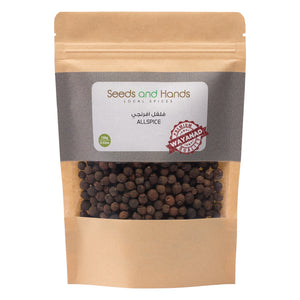
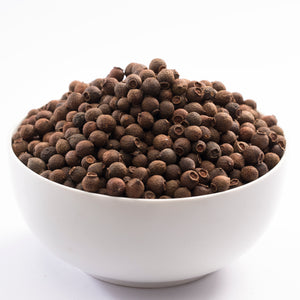
Allspice comes from Pimenta dioica, an evergreen tree that grows up to 30-40 feet tall. The pimento spice berries are picked green, then sun-dried until they turn reddish-brown. That's when they develop the smell everyone recognizes—a distinctive clove-cinnamon-nutmeg blend that's warm, sweet, and slightly peppery.
In some Indian markets, you might hear allspice referred to as kabab chini, though this term sometimes causes confusion with cubeb pepper. The allspice berry benefits from Kerala's unique growing conditions: hill areas with temperatures between 25°C and 30°C, filtered sunlight, well-draining soil, and moderate rainfall. Once established, the trees handle drought pretty well.
What makes Kerala's allspice worth talking about is how it's grown. Most small farmers here integrate allspice into existing spice gardens rather than creating separate plantations. No chemical pesticides, no intensive farming methods. The leaves themselves are fragrant enough to keep pests away naturally.
The trees take their time—20 to 25 years to reach full production. Not ideal if you're chasing quick profits, but excellent if you want concentrated flavors and pure essential oils.
The Chemistry Behind the Flavor

The main compound in allspice is eugenol, the same stuff that gives cloves their kick. This creates that characteristic myrrh-like aroma with warm, resinous notes. But allspice contains other compounds too—quercetin, gallic acid, and ericifolin—that researchers are studying for various health properties.

Here's what science has found so far about allspice berry benefits:
Digestive help: Eugenol may stimulate digestive enzymes, which could explain why people traditionally used allspice for stomach troubles.
Pain relief: You'll find eugenol in over-the-counter toothache treatments. Studies suggest it works as a topical pain reliever when used correctly.
Blood sugar support: Early research indicates eugenol might protect the cells that produce insulin and help them work better.
Fighting germs: Eugenol shows antiseptic and antifungal properties in lab studies, particularly against E. coli and certain yeasts.
A word of caution: these findings are promising but preliminary. Allspice works best as a flavorful part of your regular diet, not as medicine. Taking large medicinal amounts hasn't been studied enough to confirm safety.
Using Allspice in the Kitchen

Kerala cuisine hasn't traditionally featured allspice much, but that's shifting. Home cooks are finding smart ways to use this pimento spice:
-
Add a pinch to the biryani for extra depth without overpowering other spices
-
Use it in fish curries where the warm notes balance coconut and tamarind
-
Mix into chai masala as an alternative to cinnamon
-
Drop whole berries into pickling mixtures for both flavor and preservation
Around the world, allspice shows up in Jamaican jerk seasoning, Middle Eastern meat stews, European sausages, and American pumpkin pie. It's more versatile than most people realize.
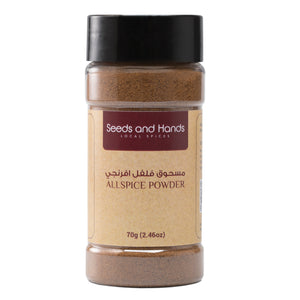
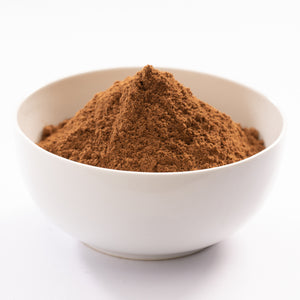
Buying tip: Get whole berries, not powder. Grind them fresh when you need them. Store in an airtight container in the fridge. They'll keep their punch much longer this way.
Why Kerala's Growing Methods Matter

Jamaica dominates the global market, and that's not changing. The Caribbean origin of allspice gives Jamaica a historical advantage and ideal growing conditions. But Kerala's small-scale approach to cultivating this Indian origin adaptation serves a different purpose; it meets the growing demand for pesticide-free spices.
The allspice market is growing steadily, from $1.42 billion in 2024 to an expected $2.88 billion by 2033. Much of that growth comes from consumers looking for natural, sustainably grown options. Kerala's farmers, mostly without intending to, positioned themselves perfectly for this shift.
Growing allspice in mixed gardens rather than monoculture plantations means healthier soil, natural pest control, and berries with authentic flavor profiles. The mineral-rich soil of the Western Ghats adds its own character to the pimento spice.
Starting with Allspice
If you've never cooked with allspice, here's how to begin:
- Buy whole berries from a reliable source
- Start with small amounts—it's concentrated
- Try it first in dishes that already use warm spices
- Grind fresh each time for maximum flavor
- Store properly in a cool, dark place
The flavor is distinctive but not overwhelming. A little experimentation will show you where it fits in your cooking style.
The Bigger Picture
Allspice didn't originate in India, but it's found a home in Kerala's spice gardens. What started as agricultural experimentation has turned into small-scale cultivation that aligns with modern consumer values: minimal intervention, no synthetic pesticides, and patience over speed.
The trees take decades to mature fully. The harvest is labor-intensive. The volumes can't compete with Jamaica's Caribbean output. But for people who care about how their food is grown, these aren't drawbacks. They're exactly the point.
As global markets expand and more consumers question conventional agriculture, the quiet work happening in Wayanad and Idukki becomes more relevant. These farmers aren't trying to revolutionize anything. They're just growing spices the way they've always grown them—slowly, carefully, naturally.
Whether you're interested in the health research, the cooking possibilities, or simply curious about a spice you've overlooked, allspice is worth exploring. Get whole berries, grind them fresh, and use them thoughtfully. The complexity of that clove-cinnamon-nutmeg blend speaks for itself.
About the Author
Shajahan serves as the Co-founder of Seeds and Hands, a spice company dedicated to sourcing single-origin, low-pesticide, and zero-pesticide spices directly from farmers. With extensive experience working alongside spice cultivators in Wayanad, Kerala, he has played a key role in building transparent, quality-driven sourcing networks.
His understanding of spice cultivation is shaped by close relationships with farming communities and hands-on involvement in sourcing and quality assessment, enabling Seeds and Hands to connect conscious consumers with authentic, responsibly sourced spices.
Research Sources:
-
PubMed (PMID: 23140298) - Medicinal properties studies
-
WebMD nutrition database - Health benefits documentation
-
Spices Board of India - Cultivation data
-
Market Data Forecast - Industry analysis (2024)
-
ICAR-Indian Institute of Spices Research - Botanical verification