
Wayanad Cinnamon: What Makes This Kerala Spice Worth Knowing About
By Shameer, Co-founder, Seeds and Hands
Most people have never questioned the cinnamon sitting in their kitchen. It smells right. It tastes familiar. The label says cinnamon.
But here's something worth knowing: India produces only about 72 tonnes of cinnamon annually, almost entirely from Kerala's Western Ghats. The country imports over 2,600 tonnes more to meet domestic demand. [1]
What that means, practically, is that most cinnamon consumed in India comes from somewhere else. What grows in Wayanad, Kannur, Idukki, and Alappuzha is genuinely rare — and most people in the country have never tasted it.
Why Wayanad

Wayanad sits in the northeastern corner of Kerala at elevations between 700 and 2,100 metres. Two monsoons arrive each year. The soil is red laterite. And cinnamon here doesn't grow in isolation — it grows alongside pepper vines, cardamom, coffee, and coconut palms in traditional homestead gardens that have functioned this way for centuries.
This mixed farming system is called tharavadu cultivation. No single crop dominates the land. The diversity of plants creates a naturally balanced environment, which is why chemical inputs have never been part of how these farms operate — not as a policy decision, but simply because the system doesn't require them.
Kerala's cinnamon production is concentrated across four districts — Wayanad, Kannur, Idukki, and Alappuzha — grown on roughly 202 hectares in total. [1] That's a small footprint for a spice with centuries of history in the region.
How it gets from tree to jar

Farmers selectively harvest branches that are 2 to 3 years old, leaving younger growth to develop. This keeps the tree productive over many years.
Skilled workers then hand-peel the outer bark and extract the inner bark in thin sheets — a step that takes practice and cannot be rushed without affecting quality. These sheets go onto bamboo mats and sun-dry for 4 to 6 days. No artificial heat. The slow drying preserves the volatile essential oils that carry the aroma and flavour.
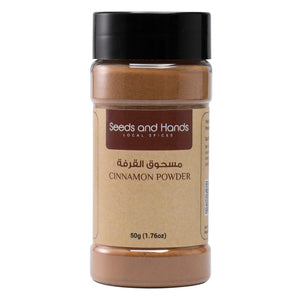
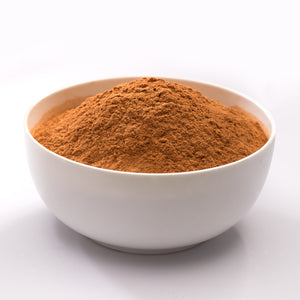
Once dried, the bark is inspected and ground in small batches. The result is a spice that smells noticeably different from most commercial cinnamon — warmer, more layered, with a faint sweetness and floral quality that tends to surprise people the first time they use it.
This process cannot be meaningfully mechanised without changing the outcome. It is why authentic Kerala cinnamon costs what it does — wholesale prices run ₹1,200 to ₹2,000 per kg, compared to ₹200 to ₹400 for mass-market alternatives. [1]
What research says about cinnamon

Cinnamon has been used in Ayurvedic medicine for centuries as a warming spice with documented digestive and metabolic properties. Modern research has started to catch up.
A 2024 meta-analysis of 24 randomised controlled trials found that cinnamon supplementation was associated with statistically significant reductions in fasting blood glucose and insulin resistance markers in people with type 2 diabetes — an average reduction in fasting glucose of 7 to 12%. [2]
Always consult a healthcare provider before using cinnamon therapeutically, particularly if you are managing diabetes or on medication.
Using it well

Kerala cinnamon's milder, more complex flavour works differently in cooking than sharper commercial varieties. In chai, it adds warmth without overpowering cardamom and ginger. In biryanis, it contributes a quiet sweetness. In coconut-based curries, the faint floral notes sit well with tamarind and coconut milk. In payasam and other milk-based desserts, it adds depth without harshness.
It works equally well outside traditional cooking — in oatmeal, smoothies, roasted vegetables, and baked goods where you want the spice present but not dominant.
On freshness: Cinnamon's aroma comes from volatile oils that dissipate quickly after grinding. Buying whole bark and grinding small amounts as needed makes a noticeable difference. Stored airtight, away from heat and light, whole pieces hold their character for up to a year.
What we do at Seeds and Hands
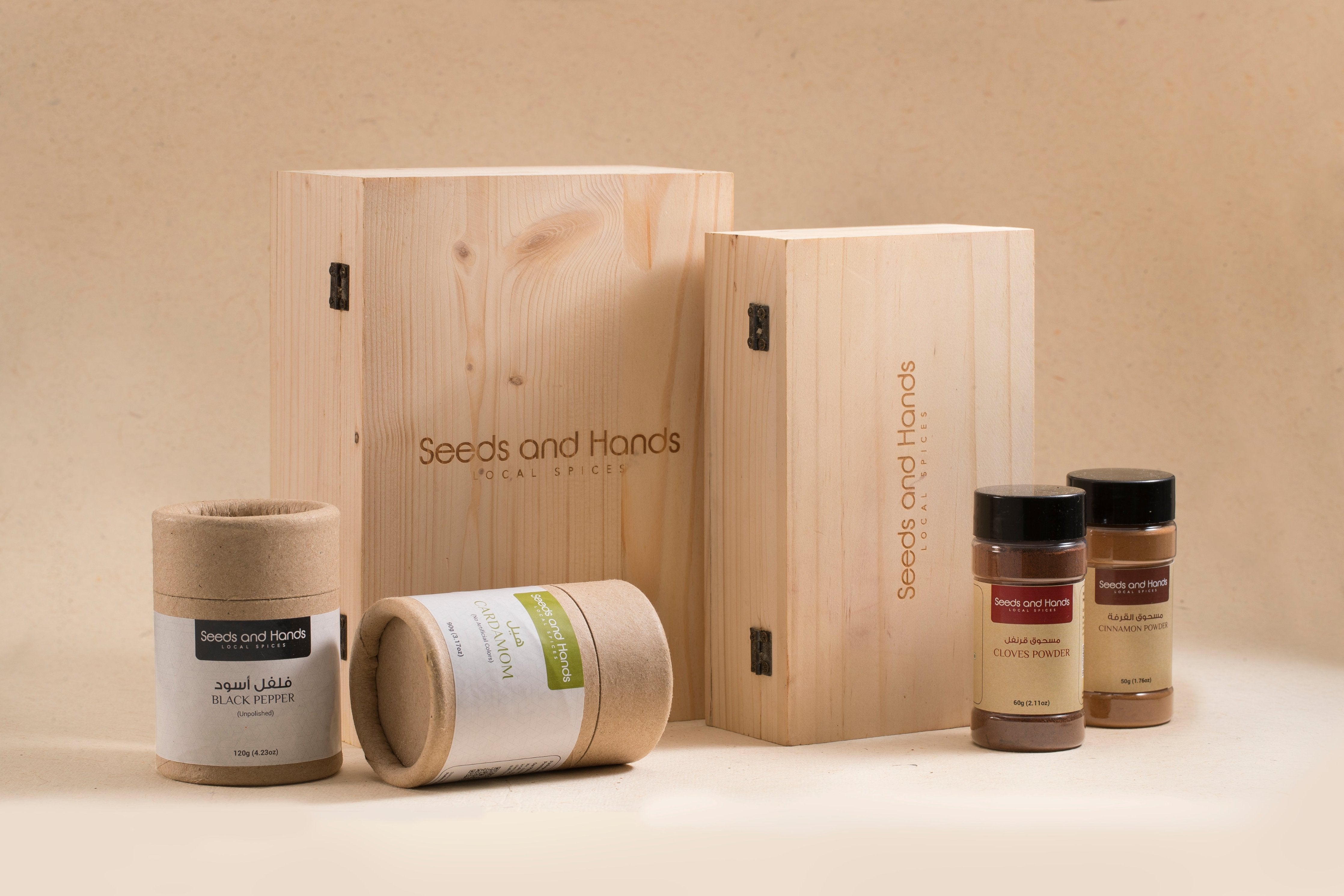
We source directly from traditional farmers in Wayanad, families who have been cultivating spices on homestead land for generations. We work with them year-round, not just at harvest.
Every batch is hand-harvested, naturally processed, and ground in small quantities. We don't blend with produce from other regions.
We're a small operation deliberately. The farmers we work with aren't supplying industrial volumes, and we're not built to move them. The goal is straightforward: bring genuinely good spices, grown the right way, by people who know how, to people who care about what they're buying.
A final note
Seventy-two tonnes a year. Across the entire state of Kerala, from farms maintaining traditional cultivation practices for centuries, that's how much cinnamon India produces domestically.
What comes out of Wayanad's hillside gardens isn't produced at scale, rush-dried, or machine-ground. It is made slowly, by hand, the same way it has been made for a long time. That's worth knowing and worth tasting.
Disclaimer
This blog is written and published by the team behind Seeds and Hands, a spice brand engaged in sourcing and selling spices. While we may have a commercial interest in the category, all information shared here is based on verified sources, hands-on industry experience, and internal quality checks. Opinions expressed are our own and are intended for educational and informational purposes only.
About the author:
Shameer serves as the Co-founder of Seeds and Hands, a spice company dedicated to sourcing single-origin, low-pesticide, and zero-pesticide spices directly from farmers. With extensive experience working alongside spice cultivators in Wayanad, Kerala, he has played a key role in building transparent, quality-driven sourcing networks.
His understanding of spice cultivation is shaped by close relationships with farming communities and hands-on involvement in sourcing and quality assessment, enabling Seeds and Hands to connect conscious consumers with authentic, responsibly sourced spices.
References
[1] Spices Board of India, Government of India — Cinnamon: Area, Production and Productivity Statistics (2023–24). spicesboard.gov.in-Source
[2] PubMed Central — Cinnamon as a Complementary Therapeutic Approach for Dysglycemia and Type 2 Diabetes Mellitus. Systematic review and meta-analysis, 2024. pubmed.ncbi.nlm.nih.gov-Source