
Kerala’s Finest Spices: Where Origin, Purity, and Flavor Converge
Written by Haneef, Co-founder of Seeds and Hands
Why this brand started
The reason we started this brand comes from a journey we took to Wayanad. We visited a farmland where spices are grown, and when we tasted the cardamom from that farm, we understood one thing: the spices that we currently get in our supermarkets are not all of this flavour or taste. That moment made us think, why not start a brand that sources Indian spices directly from their origin and gives customers the real flavour and taste of spices, rather than the adulterated ones commonly found in the market?
If you've ever wondered why Kerala spices are famous and taste richer, fresher, and more aromatic than the ones sitting in most supermarket shelves, you're not imagining it. The difference is real, and it starts long before the spices reach your kitchen.
For years, many of us assumed all spices were the same. But once you taste Kerala spices straight from farms, especially in places like Wayanad and Idukki, you immediately understand: the flavour hits different. And there's solid science behind it.
Why Kerala has the perfect conditions for spices
Kerala sits along the Western Ghats, one of the most biodiverse regions in the world. According to WWF India, this mountain range covers less than 6% of India's land area but contains over 30% of the country's plant, fish, and animal species. This biodiversity directly supports healthier soil, cleaner ecosystems, and stronger crops.
The climate is another factor. The region receives consistent rainfall from the southwest monsoon, with moderate temperatures throughout the year. The Western Ghats act like a natural shield, trapping moisture and creating a humid, shaded environment — exactly what spices like cardamom, pepper, turmeric, and cinnamon need. This unique terroir — the complete natural environment in which spices are produced — is what makes the Malabar spices of this region so distinctive.
Kerala Agricultural University notes that spices grown at higher altitudes, such as Wayanad (700–2100 meters) and Idukki, develop stronger essential oils due to the cooler climate and slower maturation. These oils are the compounds responsible for aroma and flavour, creating the high essential oil content that sets these spices apart.
Soil that naturally boosts aroma

Kerala spices benefit from different soil, literally.
The red, loamy, organic-matter-rich soil found across Wayanad and Idukki helps spice crops develop deeper chemical profiles. Studies from the Western Ghats show that the soil contains a mix of micronutrients such as zinc, manganese, and iron that directly affect the production of essential oils in spices.
For example, black pepper grown in Kerala consistently shows higher piperine content, according to the Indian Institute of Spices Research (IISR). Piperine is the active compound that gives pepper its heat and medicinal benefits.
Similarly, cardamom grown in Kerala's high-altitude farms can have essential oil levels ranging from 4.5% to 9.5%, based on research from Kerala Agricultural University's Cardamom Research Station. Higher oil content = stronger aroma, sweeter notes, and richer flavour. This high essential oil content is a direct result of the region's unique terroir.
This is why when you crush a Kerala cardamom pod, the smell fills the room instantly — something commercial cardamom often fails to do.
Kerala spices hit different, here's why

Many Kerala farmers still rely on traditional farming methods that minimize the use of harsh chemicals. These practices, passed down through generations since the historic spice trade history of the Malabar Coast, include:
-
Natural fertilizers like cow dung, compost, and leaf manure
-
Organic pest-repelling mixtures made from neem, garlic, and chilli
-
Shade-grown farming to protect soil microbes
-
Multi-layer cropping systems that preserve biodiversity
This traditional approach helps maintain healthy soil, which directly influences the chemical composition of spices. Healthier soil = higher essential oil content = stronger flavour.
It's not a coincidence that regions with traditional farming practices, particularly the Malabar spices belt, consistently produce spices that smell and taste more "alive.
Why don't store spices taste the same
Here's the part nobody talks about when you're buying Indian spices online or in stores.
Most commercial spices undergo lengthy supply chains. They're:
-
Mixed from multiple sources
-
Stored for months or even years
-
Exposed to heat during processing
-
Sometimes adulterated with cheaper materials
By the time these spices reach the retail shelf, their essential oils have dropped significantly. The spice may look the same, but chemically, it has lost its freshness and strength.
This is exactly why Kerala spices are famous — and why the flavour difference is so noticeable when comparing supermarket spices with those sourced directly from farmers.
What single origin actually means

You'll hear "single-origin" a lot these days, especially with coffee. But the concept matters even more in spices.
Single-origin spices come from one specific farm or region. This means:
-
You know exactly where it grew
-
You get a consistent flavour reflecting that specific terroir
-
You avoid mixing with lower-quality batches
-
The spice reaches you, fresher
Farms in Wayanad and Idukki grow spices in microclimates that create unique flavor profiles. Even neighboring farms can produce slightly different notes in pepper or cardamom — just like different vineyards produce different-tasting grapes.
When Kerala spices come directly from their origin, the quality stays intact, and farmers get better value for their work. It's a win for both sides.
What we saw first-hand in Kerala farms
During our visits to farms in Wayanad and Idukki, one thing stood out: spices taste their best when they're kept separate, handled gently, and processed as little as possible. When a spice stays within a single farm or region, without being mixed or polished too much, the natural aroma doesn't fade.
This is the same simple approach we follow in our own work: direct farm sourcing, minimal processing, and keeping every batch true to its origin. Nothing fancy, just staying close to how nature intended the spice to be — a principle that has guided the spice trade history of this region for centuries.
The science behind the flavor

To keep this simple: Kerala spices taste better because of chemistry.
Essential oils are the real markers of quality. More essential oils = stronger aroma = better taste.
Multiple studies from journals like Journal of Essential Oil Bearing Plants show that environmental factors — soil structure, rainfall, altitude, and temperature (collectively known as terroir) — directly influence essential oil production in spices.
For example:
-
Cardamom's aroma compounds (like 1,8-cineole, α-pinene, and linalool) increase in cooler, shaded high-altitude zones
-
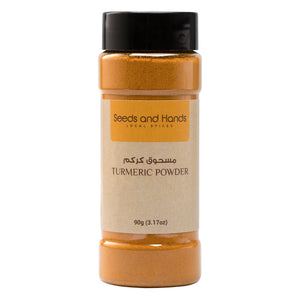
Turmeric grown in Kerala often has higher curcumin content, the compound responsible for colour and anti-inflammatory benefits
-
Kerala pepper tends to develop more piperine due to soil composition and humidity
In other words, Kerala doesn't just "grow" spices — it engineers them through nature, producing the high essential oil content that makes these Malabar spices world-renowned.
How to identify genuine Kerala spices

Not all "Kerala spices" on the label are actually grown in Kerala. Here's what to look for when shopping for Indian spices online or in stores:
-
Region-specific mentions: Wayanad, Idukki, Kumily
-
Strong natural aroma when you open the container
-
Minimal processing (no artificial colour or polishing)
-
Direct-from-farm or single-origin sourcing
-
Trusted certifications like NPOP or PGS for organic/low-pesticide farming
If a spice smells weak or you need a big spoonful to taste it, it's not high-quality.
Why this matters for everyday cooking
High-quality Kerala spices don't just taste better — they actually make cooking easier. You use less, the flavour stays longer, and the aroma fills your kitchen effortlessly.
Chefs know this. But home cooks benefit the most because the difference shows up instantly:
-
Curries become more aromatic
-
Masala chai tastes deeper
-
Sweets get that "real cardamom" lift
-
Even simple dishes like stir-fry feel more flavorful
Once you get used to real Kerala spices with their high essential oil content, it's hard to go back to the supermarket versions.
The Seeds and Hands promise
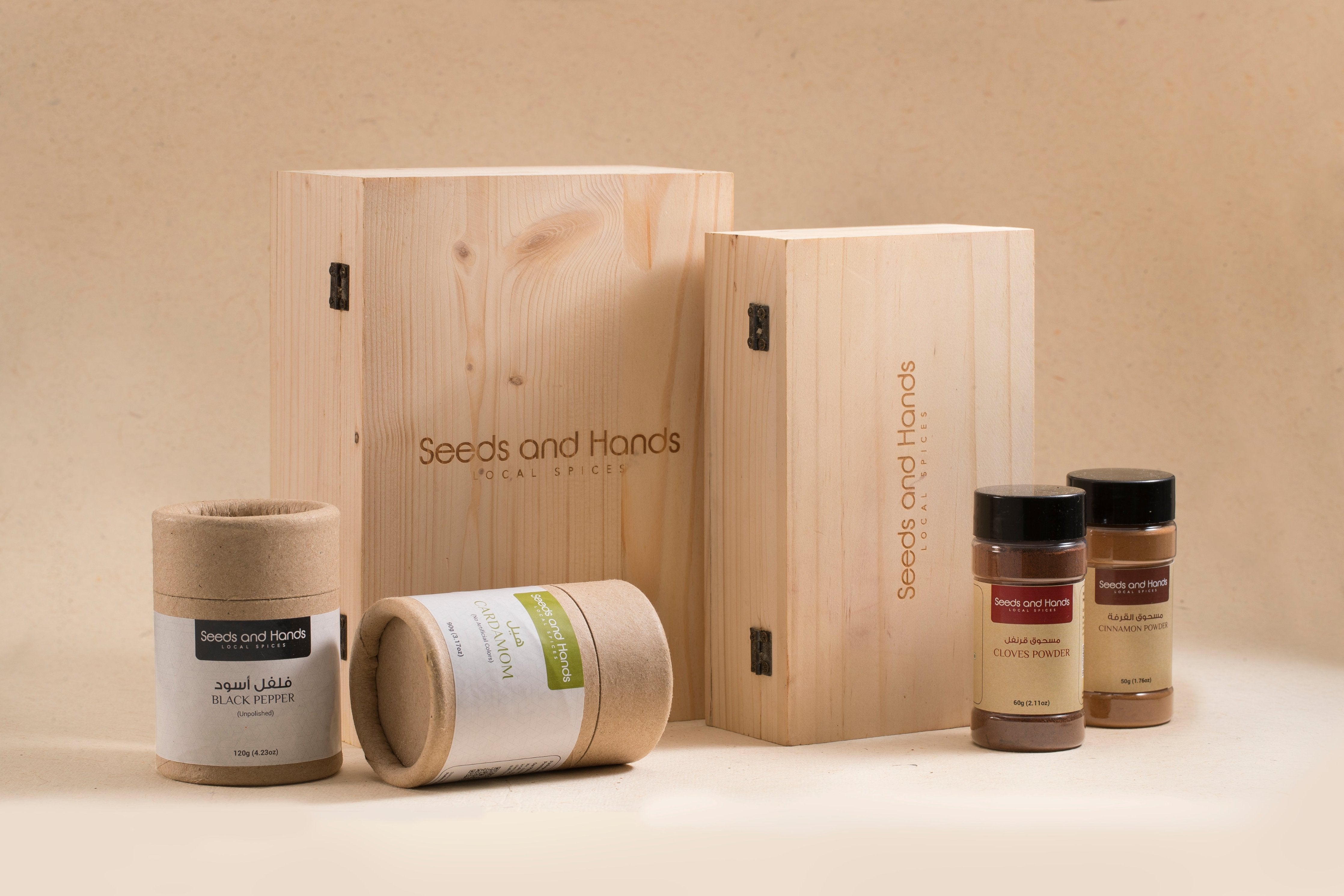
At Seeds and Hands, we believe authentic flavour begins with fair relationships. Our work goes beyond sourcing — we partner directly with small-holding farmers in Wayanad and Idukki, ensuring they receive fair prices and long-term support for adopting low-pesticide and organic methods. Every spice we share represents the care, science, and tradition of these farmers, helping preserve Kerala's legacy of sustainable spice cultivation for future generations.
When you buy Indian spices online from Seeds and Hands, you're connecting directly with the farms that honour both the spice trade history of the region and the natural terroir of the Western Ghats.
Disclaimer
This blog is written and published by the team behind Seeds and Hands, a spice brand engaged in sourcing and selling spices. While we may have a commercial interest in the category, all information shared here is based on verified sources, hands-on industry experience, and internal quality checks. Opinions expressed are our own and are intended for educational and informational purposes only.
About the author
Haneef, Co-founder of Seeds and Hands, has been closely involved in sourcing single-origin, low-pesticide, and zero-pesticide spices from Wayanad and Idukki, Kerala.
References
[1] Kerala Agricultural University. Package of Practices Recommendations: Crops (14th Edition), 2011- Sources
[2] Ashokkumar, K., et al. (2021). "Essential Oil Profile Diversity in Cardamom Accessions From Southern India." Frontiers in Sustainable Food Systems- Sources
[3] WWF India — Reports on biodiversity and ecological importance of the Western Ghats- Sources