
Low Pesticide Kerala Spices for Gut Health in 2026: Science, Sourcing, and Microbiome Insights
By Shameer, Co-Founder of Seeds and Hands
I'm not a doctor or a scientist. I sell spices for a living. But after spending ten years sourcing pepper and turmeric from Kerala, talking to farmers about compost and rain patterns in districts like Idukki and Wayanad, I've accidentally learned a fair bit about what makes good low pesticide spices actually good—beyond just "does it taste nice in my chicken curry?"

The funny thing about spending a decade in the spice business is that you start noticing patterns. The farms that grow the cleanest spices are usually the small ones run by families who've been doing this forever. No fancy certifications on the wall, just solid regenerative agriculture practices across the Western Ghats and really good compost piles.
The gut health boom is real (and your stomach probably agrees)

Gut health has moved from niche concern to mainstream priority — and if you've noticed more probiotic drinks and digestive supplements on supermarket shelves lately, you're not imagining it. The science behind why this matters is more compelling than any market projection.
Why this matters scientifically:
Your gut contains approximately 70% of your immune system. The digestive system produces roughly 90% of your body's serotonin (the neurotransmitter affecting mood). Research consistently shows that the diversity and health of your gut microbiome have measurable downstream effects on immunity, mental health, and inflammation — making what you eat one of the most direct levers you have over your overall wellbeing.
When your stomach feels terrible, you generally feel terrible—and the science backs up why. The connection between microbiome diet spices and overall wellness isn't just trendy marketing; it's grounded in how these compounds interact with your gut bacteria.
The pesticide reality nobody wants to discuss

Pesticide monitoring data from multiple food safety agencies have consistently identified residues in a meaningful proportion of herb and spice samples globally, underscoring the importance of residue testing over label-only verification.
Most residues fall within legal limits—your turmeric likely isn't poisoning you. But if you're specifically purchasing microbiome diet spices to support digestion, pesticides can disrupt gut bacteria composition and potentially contribute to leaky gut issues by compromising intestinal barrier integrity.
The sourcing dilemma: The cleanest, low-pesticide spices I've encountered often come from small Kerala farms using cow dung compost and traditional pest management methods passed down through generations. These farms frequently lack organic certifications because certification costs run into thousands of dollars. Their spices test clean in residue analysis, but they can't display fancy paperwork. This is precisely why knowing your actual source beats trusting labels every time.
Black pepper: the bio-enhancement powerhouse with prebiotic properties

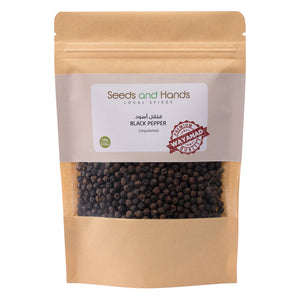
Kerala's Tellicherry black pepper from the Malabar Coast is documented to contain higher piperine concentrations than commodity-grade pepper, with research indicating piperine content in high-grade Indian black pepper ranging from 3–4.5%, compared to a market average of 2–3% (ICAR, Indian Institute of Spices Research). That gap matters clinically.
Piperine, the active compound in black pepper, helps maintain the integrity of intestinal barriers—supporting the gut lining's role as a selective barrier that admits beneficial nutrients while blocking harmful substances (Guo et al., Journal of Applied Toxicology, 2020). It also increases the bioavailability of certain compounds by up to 381%, which explains why traditional Kerala cooking always paired turmeric with black pepper. Science spent decades catching up to what home cooks figured out empirically.
One critical note on freshness: Pre-ground pepper loses approximately 50% of its piperine within three months of grinding. Always crush or grind immediately before use.
Turmeric: clinical evidence beyond the marketing

Not all turmeric is the same, and the growing region is the primary reason.
Wayanad sits at elevations between 700–2100 metres in Kerala's Western Ghats, with annual rainfall of 2000–3000mm — conditions that directly drive higher curcumin accumulation in the rhizome. The Prathibha variety grown here, developed by ICAR's Indian Institute of Spices Research, records curcumin at 6.25% — two to three times the standard market range of 2–3%. Those are laboratory-verified figures from a government agricultural research body, not marketing copy.
A 2025 systematic review of 13 controlled clinical trials showed statistically significant symptom improvements in ulcerative colitis patients (Mohseni et al., Frontiers in Nutrition, 2025). Research in the World Journal of Gastrointestinal Pathophysiology (2025) further confirms curcumin directly affects gut microbiota composition, supporting tight junction proteins relevant to leaky gut.
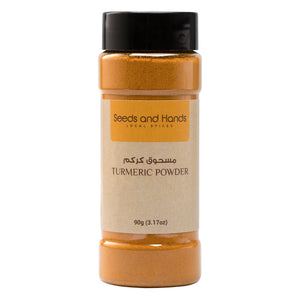
One practical note on absorption: curcumin alone has poor bioavailability. Traditional Wayanad cooking solves this — always cook turmeric with fat and black pepper. Fat enhances absorption; piperine amplifies it by several hundred percent. Always source whole-curcumin, unextracted, sun-dried Wayanad turmeric for any therapeutic use.
The five Kerala spices worth sourcing
- Tellicherry black pepper (grade TGSEB) — 4.2% piperine average. Intestinal barrier support, bioenhancement. Source: Idukki district, Malabar Coast.
- Wayanad turmeric (finger grade) — 6.25–7% curcumin. Anti-inflammatory, microbiome modulation, leaky gut support. Source: Wayanad district, Western Ghats.
- Fresh ginger root — Contains gingerol, a bioactive polyphenol. Supports digestive enzyme activity, reduces nausea, aids gut motility.
- Wayanad green cardamom — Traditional digestive aid with prebiotic fiber and essential oils (cineole). Source: High-altitude farms above 600m.
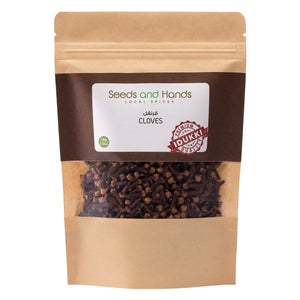
- Idukki cloves — Rich in eugenol, a potent antimicrobial and anti-inflammatory compound. Supports gut health by inhibiting harmful bacteria, reducing intestinal inflammation, and aiding digestive enzyme activity. Source: Idukki district, Western Ghats.
What research actually supports (and what it doesn't)
The 2026 gut health market is crowded with inflated claims. Here's the honest split:
Documented by peer-reviewed evidence: Piperine and curcumin exhibit measurable anti-inflammatory effects, interact positively with gut microbiota, and support intestinal barrier function. Curcumin shows clinical efficacy specifically for inflammatory bowel conditions.
Not supported by current evidence: Adding turmeric to a poor diet creates meaningful improvements. Any spice quantity guarantees gut health outcomes. Expensive "gut health blends" outperform traditional spices used correctly.
These spices work as part of a diet already rich in fiber, fermented foods, and whole ingredients — not as a fix layered on top of a poor one.
Sourcing: what to ask before you buy
Many small Kerala farms produce spices that test clean on residue analysis but can't afford organic certification (costs run into lakhs of rupees locally). Labels tell you less than a direct conversation. Ask any supplier:
- Which district grew this batch?
- What farming methods does the farm use?
- How was it processed — sun-dried or industrially heat-treated?
- Can you provide third-party residue testing documentation?
If they can't answer clearly, keep looking.
FAQs
Can i use supermarket turmeric instead of Wayanad grade? You can, but you're getting 2–3% curcumin versus 6–7%. For therapeutic gut support, that concentration gap produces a real dosing difference.
Why does black pepper need to be freshly ground? Piperine oxidizes on exposure to air. Pre-ground pepper loses ~50% potency within three months. Fresh grinding preserves maximum bioactivity.
Are low-pesticide spices better than organic-certified ones? Certification indicates process compliance, not the absence of residues. Some certified organic products still show trace pesticides in monitoring data. Clean lab-tested spices from transparent sources can be equally clean or cleaner, depending on the farm.
Disclaimer
This blog is written and published by the team behind Seeds and Hands, a spice brand engaged in sourcing and selling spices. While we may have a commercial interest in the category, all information shared here is based on verified sources, hands-on industry experience, and internal quality checks. Opinions expressed are our own and are intended for educational and informational purposes only.
About the author:
Shameer serves as the Co-founder of Seeds and Hands, a spice company dedicated to sourcing single-origin, low-pesticide, and zero-pesticide spices directly from farmers. With extensive experience working alongside spice cultivators in Wayanad, Kerala, he has played a key role in building transparent, quality-driven sourcing networks.
His understanding of spice cultivation is shaped by close relationships with farming communities and hands-on involvement in sourcing and quality assessment, enabling Seeds and Hands to connect conscious consumers with authentic, responsibly sourced spices.
References
[1] Mohseni et al. (2025). "Curcumin for the clinical treatment of inflammatory bowel diseases: a systematic review and meta-analysis." Frontiers in Nutrition.Source
Full text: Source
[2] Impact of curcumin on gut microbiome and intestinal barrier integrity (2025). World Journal of Gastrointestinal Pathophysiology. Full text: Source PMC: Source
[3] Guo et al. (2020). "Piperine, a functional food alkaloid, exhibits inhibitory potential against TNBS-induced colitis." Journal of Applied Toxicology.