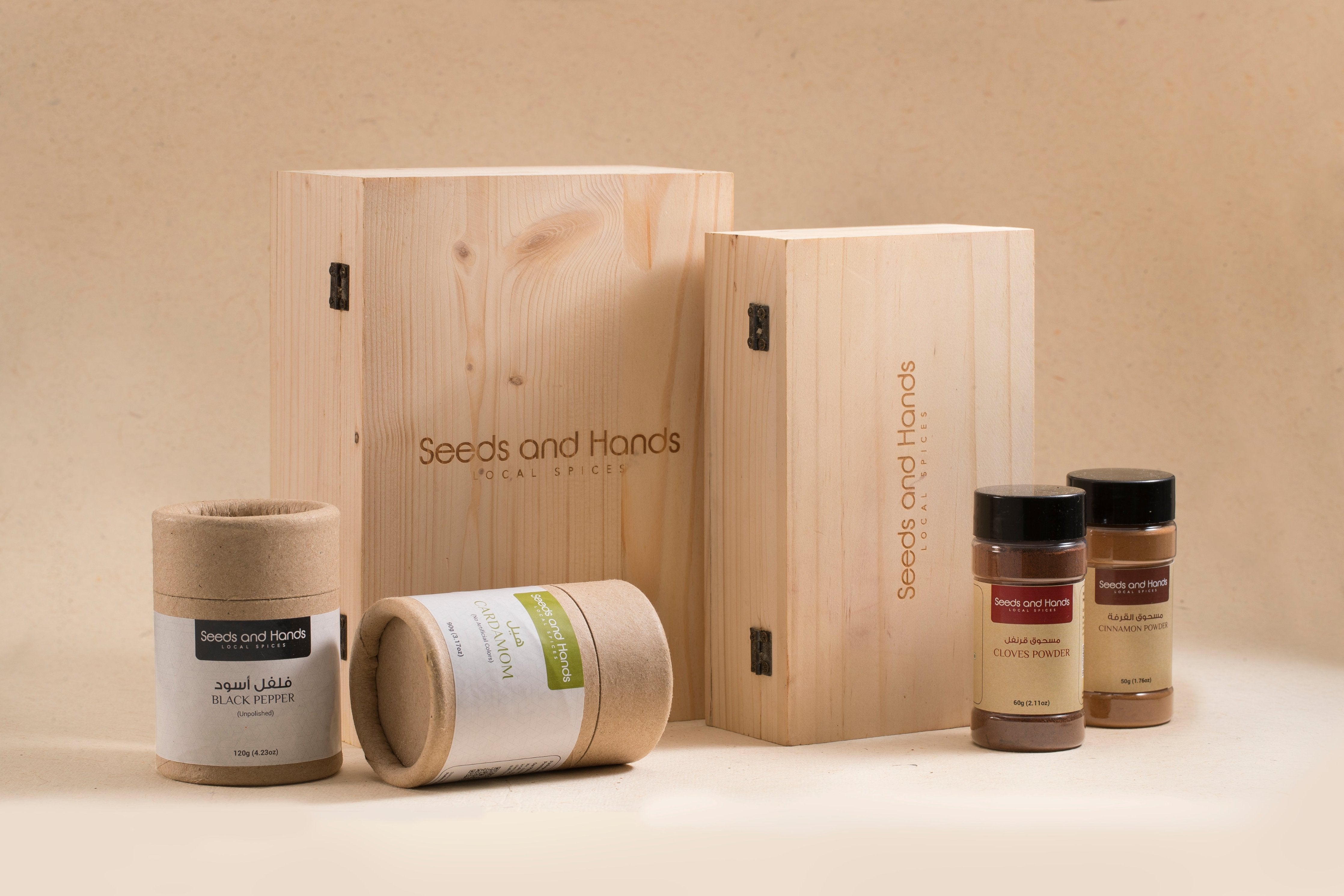

Lead in Cinnamon & Chemicals in Turmeric: How to Buy Safe Spices That Actually Heal
By Shameer, Co-Founder of Seeds and Hands
For the past 10+ years, I've been buying spices directly from farmers in Wayanad and Idukki, two hill districts in Kerala's Western Ghats. This work has taught me something important: not all spices are created equal, and where they come from matters more than most people realize.
Recent studies show that some turmeric and cinnamon products contain lead and other toxic heavy metals at levels that can seriously harm health — especially in children. Understanding how lead gets into spices, and how to buy safe spices, has never been more important.
The lead in cinnamon contamination problem: what happened

In October 2023, more than 460 children got lead poisoning from eating applesauce that contained contaminated cinnamon. When they tested the cinnamon, they found lead in cinnamon at levels between 2,270 and 5,110 parts per million (ppm). To put that in perspective: that's dangerously high.
Fast forward to 2025, and the FDA (the U.S. food safety agency) has recalled 18+ cinnamon brands for lead contamination.
According to the CDC, there is no safe level of lead exposure. In children, it impairs brain development. In adults, chronic exposure damages kidneys, raises blood pressure, and affects memory.
How does lead get into cinnamon?
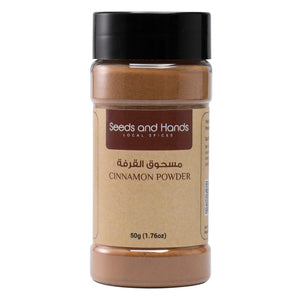
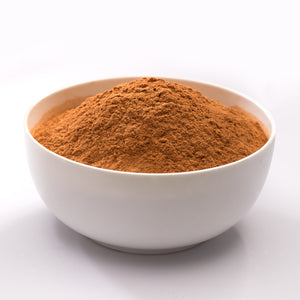
Cinnamon trees take 2–3 years to grow before harvest. During that time, roots absorb whatever is in the soil — including heavy metals from industrial pollution, leaded gasoline residue, contaminated irrigation water, or dirty processing equipment. Most U.S. cinnamon comes from Indonesia, Sri Lanka, and Vietnam, where soil quality and contamination levels vary significantly by region.
The turmeric lead chromate problem: even more concerning
 In 2024, researchers from Stanford University tested 356 turmeric samples from India, Pakistan, Sri Lanka, and Nepal. Fourteen percent had heavy metals above 2 μg/g. Some samples from Patna, Karachi, and Peshawar had lead levels over 1,000 μg/g — enough to raise a child's blood lead to 10 times what health experts consider safe.
The yellow dye trick: lead chromate adulteration
Some sellers deliberately add lead chromate — an industrial paint pigment — to turmeric. It makes turmeric look more colorful and adds weight. The Stanford scientists confirmed this was intentional: in high-lead samples (≥18 μg/g), lead and chromium appeared in a 1:1 ratio, exactly the signature of added lead chromate.
Lead chromate adulteration has been documented in turmeric from Bangladesh, Pakistan, India, and the United States. Between 2010 and 2014, doctors found elevated blood lead in children across Arizona, California, Colorado, Connecticut, and New York — all linked to contaminated turmeric used at home.
How to test turmeric for lead at home
Mix a teaspoon of turmeric with warm water and let it sit for 10–15 minutes. If it settles to the bottom, it's likely pure. If it leaves bright yellow streaks and doesn't settle, lead chromate may be present. This home test isn't definitive only can confirm safety.
Why most store-bought spices have contamination risk
Regular commodity spices typically pass through 5–8 handlers between farm and kitchen. Each step is another opportunity for contamination or adulteration. A processor might collect turmeric from 50 different farms, mix them in one batch, and sell it — if one farm had contaminated turmeric, the entire batch is compromised with no way to trace it back.
Price pressure makes this worse. Lead chromate is cheap. For unscrupulous processors competing on price, adulteration is tempting. Most small processing facilities also lack equipment to test for heavy metals, and regulatory enforcement in many sourcing regions is weak.
Why buying single-origin spices directly from farmers changes everything

Single-origin spices come from one specific place. At Seeds and Hands, we buy directly from farmers in Wayanad and Idukki, Kerala — no middlemen. Here's why that matters:
Only two people touch the product — the farmer and us, versus 5–8 in commodity chains. We visit the farms personally. We know the soil, the water source, and the drying methods. Wayanad and Idukki sit at 900–1,400 meters elevation in the Western Ghats, with mineral-rich soil and high rainfall — conditions that support clean, low-pesticide spice production. And if a question ever arises about quality, we can trace it to the exact farm.
How to buy safe spices without lead: practical steps
1. Check where it's from: specifically, "Product of India" isn't enough. Look for specific sourcing like "Grown in Wayanad, Kerala" or "Single-origin from Idukki."
2. Look for third-party test results: Some brands publish heavy metal testing reports,
and found concerning lead levels in several brands. If a brand won't share test results, that's a red flag.
3. Buy organic when possible: USDA organic certification or NPOP-certified farms test their soil and restrict synthetic inputs, generally resulting in lower heavy metal levels.
4. Buy whole spices instead of powder: Adulteration is much harder with whole cinnamon sticks or turmeric roots. Grind them at home — it takes 30 seconds and keeps spices fresher.
5. Look for transparent sourcing: Good brands show you their farms and explain their testing. Secrecy about sourcing is a warning sign.
6. Don't chase the lowest price: Extremely cheap spices often mean someone cut corners on safety or sourcing.
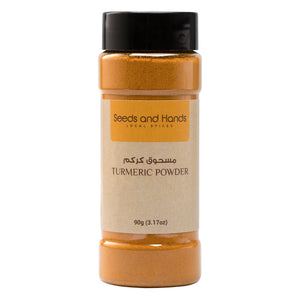
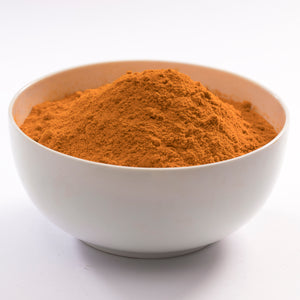
7. Check the color: Natural sun-dried turmeric is muted orange-yellow. Neon-bright turmeric may indicate added lead chromate.
8. Look for GI (Geographical Indication) tags: These provide regional authenticity guarantees and add traceability.
Understanding the health risks: why clean spices matter

Turmeric and cinnamon offer real health benefits — curcumin's anti-inflammatory properties and cinnamon's effect on blood sugar are well-supported by research. But those benefits disappear entirely if your spices contain lead. The Stanford researchers calculated that consuming just 1 gram of highly contaminated turmeric daily could raise blood lead to dangerous levels. Many Indian recipes use 2–4 grams per dish.
Symptoms of lead exposure to watch for: In children: irritability, learning problems, fatigue, behavioral changes, slowed growth. In adults: high blood pressure, joint pain, memory loss, difficulty concentrating.
What needs to change in the spice industry
The ASTA guidelines have introduced stricter lead testing guidelines. More brands are publishing third-party test results. Consumer awareness is growing. But the real fix is structural: shorter supply chains and genuine transparency. When you know exactly where spices come from and who grew them, contamination is far easier to prevent and catch.
Your spices should make you healthier, not harm you.
Frequently asked questions about lead in spices
Q: How common is lead contamination in turmeric and cinnamon? Stanford's 2024 study found 14% of turmeric samples from South Asia had detectable heavy metals in turmeric above safe levels. The FDA has recalled 18+ cinnamon brands since 2024 for lead in cinnamon. While not all spices are contaminated, the problem is significant enough to warrant caution and careful attention to consumer safety.
Q: Can i remove lead from contaminated spices by washing or cooking? No. Lead cannot be removed by washing, cooking, or any home preparation method. Once lead is in the spice, it stays there. The only solution is learning how to buy safe spices from verified clean sources with proper third-party testing.
Q: Are organic spices safer from lead contamination? Organic certification reduces but doesn't eliminate risk. Organic farms must test soil and avoid synthetic inputs, which generally means lower heavy metals in turmeric and other spices. However, organic crops can still absorb lead from naturally contaminated soil.
Q: Which countries have the safest spices? Safety depends more on specific farms and testing protocols than countries. However, regions with stricter enforcement and testing—like Kerala's Western Ghats districts of Wayanad and Idukki—tend to have cleaner products. Always look for specific regional sourcing and third-party testing that meets FDA standards regardless of country.
Q: How can i tell if my current turmeric contains lead? Professional third-party testing is most accurate. For a quick home check: mix turmeric with warm water. If it doesn't settle and leaves bright yellow streaks, it may contain lead chromate from adulteration. However, this isn't definitive—third-party testing is the only sure method to verify consumer safety.
Q: What brands of spices are safest? Look for brands that publish third-party testing results for heavy metals, specify exact farm locations, and are transparent about sourcing. Single-origin brands with direct farm relationships (like Seeds and Hands from Kerala) typically have better quality control than commodity brands blending from multiple sources, helping you avoid toxic spices.
Q: Should i throw away my current spices? If your spices are from unknown sources with no third-party testing documentation that meets FDA standards, especially if they're unusually cheap or artificially bright colored (signs of potential adulteration), consider replacing them with verified clean alternatives. If you've been using them heavily, consider a blood lead test.
Q: Which spice brands have been recalled for lead contamination? The FDA has recalled 18+ cinnamon brands since 2024. You can check the current list on the FDA recall database. Always verify a brand's third-party testing before purchasing.
Disclaimer
This blog is written and published by the team behind Seeds and Hands, a spice brand engaged in sourcing and selling spices. While we may have a commercial interest in the category, all information shared here is based on verified sources, hands-on industry experience, and internal quality checks. Opinions expressed are our own and are intended for educational and informational purposes only.
About the author:
Shameer serves as the Co-founder of Seeds and Hands, a spice company dedicated to sourcing single-origin, low-pesticide, and zero-pesticide spices directly from farmers. With extensive experience working alongside spice cultivators in Wayanad, Kerala, he has played a key role in building transparent, quality-driven sourcing networks.
His understanding of spice cultivation is shaped by close relationships with farming communities and hands-on involvement in sourcing and quality assessment, enabling Seeds and Hands to connect conscious consumers with authentic, responsibly sourced spices.
References
[1] FDA — Cinnamon Applesauce Lead Investigation - Source
[2] FDA — Ground Cinnamon Public Health Alerts & Recalls- Source
[3] FDA — Post-Incident Response- Source
[4] Stanford / PubMed — Forsyth et al. Turmeric Lead Study- Source
[5] Stanford News — Lead in Turmeric Press Release- Source
[6] CDC — No Safe Level of Lead- Source
[7] CDC — Lead Exposure Symptoms- Source
[8] Consumer Reports — Cinnamon Lead Testing 2024- Source
[9] Consumer Reports — Herbs & Spices Heavy Metals- Source
[10] ASTA — Heavy Metals Page- Source
[11] ASTA — Guidance Levels for Heavy Metals- Source
[12] CDC MMWR — US Children Lead Cases- Source