
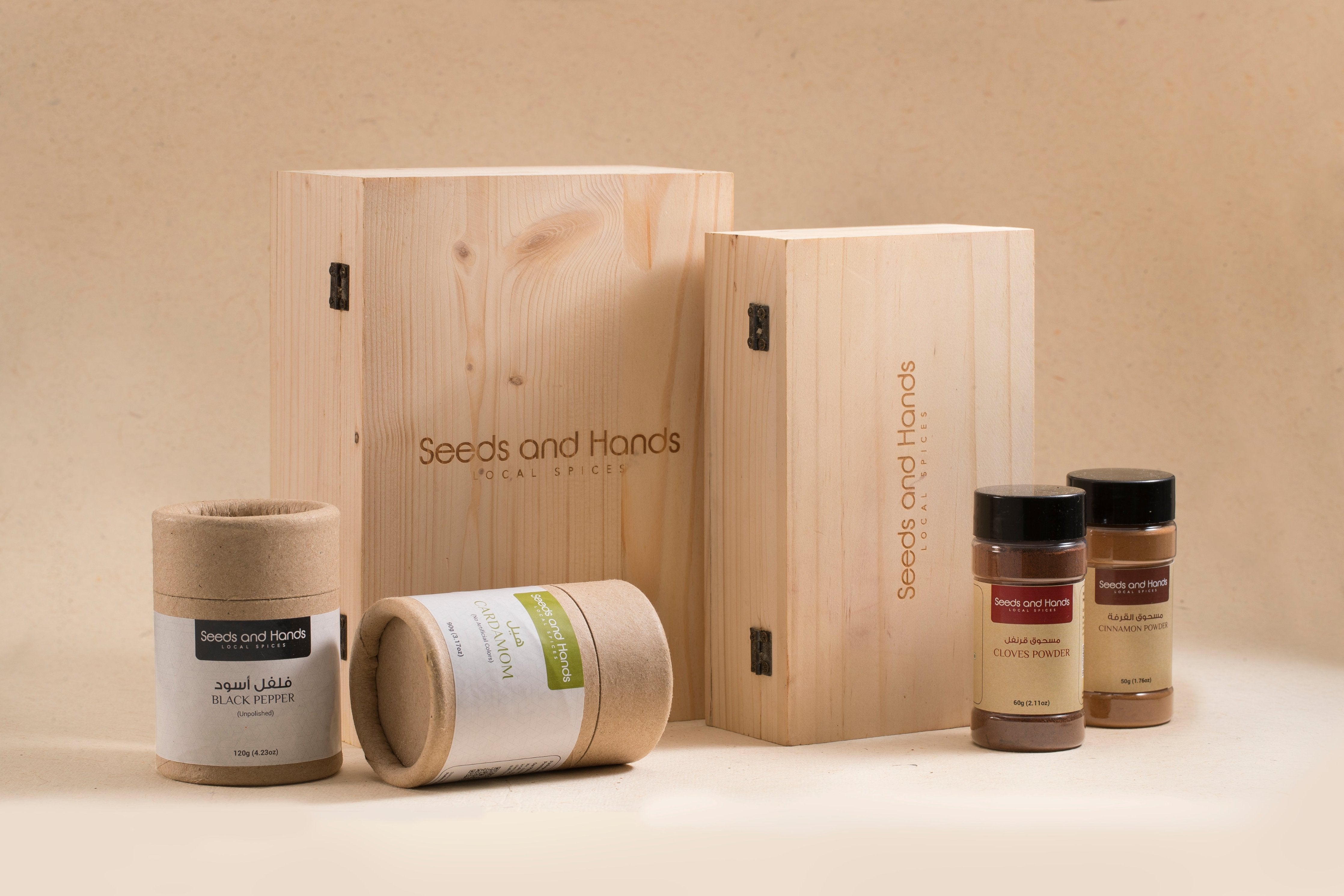

Long Pepper: The Ancient Spice That Modern Science Is Finally Catching Up To
By Shameer, Co-founder, Seeds and Hands
If you're familiar with black pepper, you already know half the story. Indian long pepper, its lesser-known cousin, once dominated spice routes from India to Rome, commanding prices four times higher than regular pepper. Then it quietly disappeared from most kitchens. Now, scientists are discovering why ancient healers prized it so highly, and the findings are remarkable.
What Makes Long Pepper Different?
Long pepper (Piper longum), known as Pippali in Sanskrit, comes from the same botanical family as black pepper but produces distinctive elongated fruit spikes instead of round peppercorns. These 2 to 5 cm spikes have a complex flavor profile, combining heat with subtle sweetness and earthy notes, and contain over 50 bioactive compounds that set it apart from ordinary pepper.
The spice thrives in the tropical regions of India's Western Ghats, particularly Wayanad, Assam, and Karnataka. In Wayanad, where we source our long pepper, the mineral-rich soil and consistent monsoon patterns create ideal growing conditions. Local farmers hand-pick the green fruit spikes and sun-dry them for 4 to 7 days, preserving the essential oils and alkaloids that give long pepper its distinctive properties.
The Science: Key Compounds That Matter
Understanding the benefits of long pepper begins with its unique chemical composition.
Modern research has identified several important compounds in long pepper:
| Compund | Primary Activity | Research Status |
| Piperine | Bioavailability enhancer | Well established (clinical) |
| Piperlongumine | Anticancer, anti-inflammatory | Promising (preclinical) |
| Essential Oils | Antimicrobial | Moderate evidence |
Piperine (4-5% concentration): The alkaloid responsible for pungency, but more importantly, it's a bioavailability enhancer. Research published in Planta Medica found that piperine increases curcumin absorption by up to 2,000%, explaining why traditional Ayurvedic formulations often combine long pepper with turmeric.
Piperlongumine (0.5-1.5% concentration): This compound has attracted significant research attention for its selective anticancer properties. Multiple studies published in 2024-2025 document its ability to induce apoptosis in cancer cells while sparing normal cells. Research published in JCI Insight (March 2025) demonstrated that piperlongumine can overcome drug resistance in certain types of lung cancer. The difference between piperine vs piperlongumine is significant: while both are alkaloids, piperlongumine demonstrates unique selective cytotoxicity that researchers continue to explore.
Essential oils and other alkaloids: These contribute to antimicrobial, anti-inflammatory, and antioxidant effects documented in peer-reviewed studies.
Long Pepper Benefits: Traditional Use Meets Modern Research

Long pepper has been used in Ayurveda for over 2,000 years to treat respiratory conditions, digestive disorders, and metabolic imbalances. As an Ayurvedic Rasayana (rejuvenative), Pippali benefits extend across multiple body systems. Here's what current research says:
Respiratory Health
Traditional Ayurvedic medicine prescribes long pepper for asthma, bronchitis, and chronic cough. According to PubMed reviews, long pepper demonstrates bronchodilation effects and helps reduce airway inflammation. The expectorant properties help expel mucus from respiratory passages, making it particularly valuable for respiratory health support.
Digestive Support
Among the many Pippali benefits, digestive enhancement stands out. Long pepper stimulates digestive enzyme secretion and improves gut motility. Research in the Journal of Ethnopharmacology validated its traditional use against parasitic infections. Its carminative properties help reduce bloating and gas.
Anti-Inflammatory Effects
Studies in the Journal of Pharmacy and Pharmacology (2019) found that long pepper extracts show significant anti-inflammatory activity by inhibiting pro-inflammatory enzymes and cytokines. This supports its traditional use for joint health and arthritis.
Metabolic Health
Traditional formulations use long pepper for diabetes management. Animal studies suggest hypoglycemic effects and improved insulin sensitivity, though human clinical trials are limited.
Immune Support
The antimicrobial compounds in long pepper show activity against various pathogenic bacteria and have been traditionally used during colds and flu.
Evidence Summary: Long pepper benefits are supported by both traditional wisdom and emerging scientific research, though more human clinical trials are needed to fully validate therapeutic applications
Long Pepper Uses: Beyond Black Pepper
Long pepper offers a complex flavor, combining pungent heat with sweet, earthy, and slightly floral notes. Here's how to incorporate long pepper uses in your kitchen:

Traditional Applications:
-
Trikatu: Ayurvedic blend with black pepper and ginger
-
Rasam: South Indian soup where it adds depth
-
Garam masala: Included in some regional spice blends
Modern Kitchen:
-
Meat rubs: Exceptional on grilled meats
-
Soups and stews: Add whole spices during cooking
-
Golden milk: Enhances turmeric absorption
-
Craft cocktails: Muddle for complex spice notes
-
Chocolate pairings: Complements dark chocolate beautifully
Usage Tips:
-
Grind fresh before use to preserve essential oils
-
Use 1-2 whole spikes or 1/4 teaspoon ground per dish
-
Can substitute for black pepper with more complexity
Market Trends: Why Long Pepper Is Having a Moment
The global pepper market reached $5.5 billion in 2024, with speciality and exotic peppers seeing accelerated growth. Several factors are driving long pepper's renaissance:
Health and Wellness: Growing interest in functional foods and Ayurvedic ingredients, especially post-COVID focus on respiratory and immune health.
Culinary Exploration: Chefs rediscovering long pepper in high-end restaurants, while food enthusiasts seek unique ingredients.
Sustainability: Consumer demand for single-origin, transparently sourced spices with low pesticide use.
Scientific Validation: Increasing research publications are attracting mainstream attention to forgotten superfoods.
India remains the primary producer, with Kerala's Wayanad region renowned for high-quality, organic-certified production. Long pepper commands premium pricing ($15-25 per 100g retail for organic, single-origin) due to limited cultivation and labour-intensive harvesting.
Choosing Quality Long Pepper
Look for these indicators:
Visual: Dark gray to brownish-black color, intact firm spikes with visible wrinkled surface, uniform 2-5 cm length.
Aroma: Strong, pungent, slightly sweet, aromatic oils should be immediately noticeable.
Sourcing: Single-origin with traceability, organic or low pesticide certification, and direct farmer relationships.
Storage: Keep in airtight containers away from light and moisture. Store whole until ready to use. Shelf life: 1 to 2 years properly stored.
Safety and Precautions
Long pepper is generally safe in culinary amounts. According to WebMD and Ayurvedic guidelines:
General Use:
-
Culinary amounts: Safe for most people
-
Medicinal doses: 0.5-1 gram daily (under practitioner guidance)
Potential Concerns:
-
May cause stomach upset in excessive amounts
-
Drug interactions: Piperine affects drug metabolism. Clinical studies show piperine increases the absorption of phenytoin, propranolol, and theophylline. Consult your healthcare provider if taking prescription medications.
-
Pregnancy/breastfeeding: Insufficient safety data, consult healthcare provider
-
Before surgery: Discontinue 2 weeks prior
The Bottom Line

Long pepper represents a fascinating convergence of ancient wisdom and modern science. What traditional healers knew intuitively about this spice is now being validated at the molecular level, from piperine's bioavailability-boosting effects to piperlongumine's anticancer potential in laboratory studies.
At Seeds and Hands, we're committed to bringing authentic, single-origin long pepper from Wayanad's organic farms directly to you, preserving both quality and the livelihoods of farmers who tend these vines in the biodiverse Western Ghats.
Whether you're exploring new flavors or seeking functional ingredients backed by both tradition and research, the diverse long pepper benefits and Pippali benefits make this Ayurvedic Rasayana deserve a place in your spice collection.
Ready to experience authentic Wayanad long pepper? Visit www.seedsandhands.com to discover this ancient spice for your modern kitchen.
About the Author
Shameer is the co-founder of Seeds and Hands, a spice company dedicated to bringing single-origin, low-pesticide spices directly from Indian farmers to conscious consumers. With deep roots in Kerala, Shameer works directly with organic farmers in Wayanad to ensure quality, traceability, and fair compensation while preserving traditional agricultural practices.
References
-
Bano G, et al. "Effect of piperine on bioavailability." European Journal of Clinical Pharmacology 1991;41:615-7.
-
Tripathi SK, Biswal BK. "Piperlongumine, a potent anticancer phytotherapeutic." Pharmacological Research 2020 Jun;156:104772.
-
Swain SS, et al. "Piperlongumine and its derivatives against cancer." Archiv der Pharmazie 2024 May;397(5):2637-2650.
-
Kumar S, et al. "Piperlongumine mediated apoptosis in cervical cancer cells." Toxicology Reports 2025 Apr 23;14:102031.
-
Zhang J, et al. "Piperlongumine overcomes osimertinib resistance." JCI Insight 2025 March 24.
-
Stojanović-Radić Z, et al. "Piper longum: A comprehensive review." PubMed 2022 Oct 19;PMID:36256521.
-
Ghoshal S, et al. "Antiamoebic activity of Piper longum fruits." Journal of Ethnopharmacology 1996;50:167-70.
-
Guo Z, et al. "Anti-inflammatory and antitumour activity." Journal of Pharmacy and Pharmacology 2019;71(7):1162-1171.
-
Global Market Insights. "Pepper Market Size & Share, Growth Forecasts 2025-2034." December 2024.
-
Shoba G, et al. "Influence of piperine on pharmacokinetics of curcumin." Planta Medica 1998;64:353-6.
External Resources:
-
PubMed: https://pubmed.ncbi.nlm.nih.gov/
-
Spices Board of India: https://www.indianspices.com/
Disclaimer: This article is for informational purposes only. Long pepper should not be used as a substitute for professional medical treatment. Always consult with a qualified healthcare provider before using long pepper medicinally, especially if pregnant, nursing, taking medications, or have a medical condition.