Short-grain kaima rice (jeerakasala rice) instead of long-grain basmati. Prominent use of fennel seeds and curry leaves—signature Kerala biryani spices. Notable restraint in spice levels compared to other regional varieties. Balance over complexity—each element shines: fried onions prepared in ghee, tangy tomatoes, subtle sweetness of raisins and cashews
Unlike biryanis that layer on complex spice blends, Malabar biryani focuses on balance. Having tested multiple regional biryani recipes over the years, I've found that Malabar's technique of parcooking rice separately and layering it with aromatic masala creates a distinctly different texture and flavour profile.
The secret lies in the careful selection of ingredients and cooking methods preserved through generations of Mappila home cooks. While "best biryani" is ultimately subjective and varies by personal taste, I'd argue that Malabar biryani has earned its place as the G.O.A.T.—not through loud claims or fancy presentation, but through centuries of perfected technique and a flavour profile that converts sceptics with a single bite.
Malabar Chicken Biryani Recipe
Ingredients
Chicken Masala
Chicken – 1 kg
Onions – 3 large, sliced
Tomatoes – 2 medium
Ginger-garlic paste – 2 tbsp
Green chillies – 4
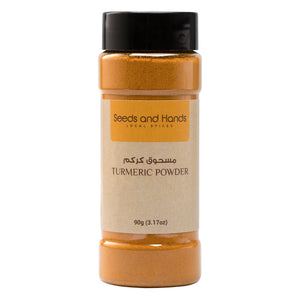
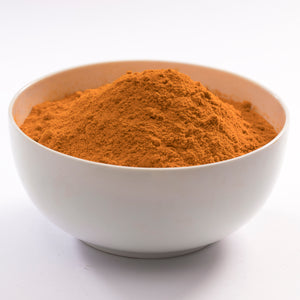
Turmeric powder – ½ tsp (I used Seeds & Hands turmeric)
Coriander powder – 2 tsp
Chilli powder – 1 tsp
Garam masala – 1 tsp
Mint and coriander leaves
Ghee – 3 tbsp
Salt
Rice
Jeerakasala rice – 3 cups
Water
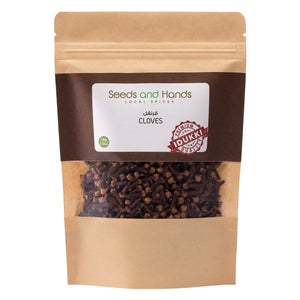
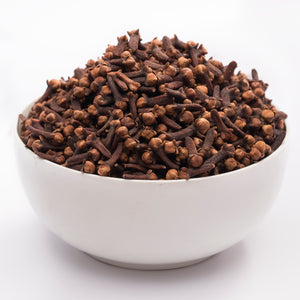
Whole spices (bay leaf, cloves, cinnamon, cardamom)
Salt
Ghee – 1 tbsp
For Layering
- Fried onions
- Mint and coriander
- Saffron milk (optional)
- Ghee
Why These Kerala Biryani Spices Matter
From my experience working with spices at Seeds & Hands and testing recipes:
Turmeric: Gives a clean colour without bitterness when fresh.
Chilli powder: A clean, fresh batch helps avoid a harsh taste. Old chilli powder can turn bitter.
Coriander powder: Loses smell fast—fresh powder works better. This is one spice where freshness makes a noticeable difference.
Garam masala: Should add flavour, not overpower the dish.
Whole spices: These give the biryani its main aroma during rice cooking.
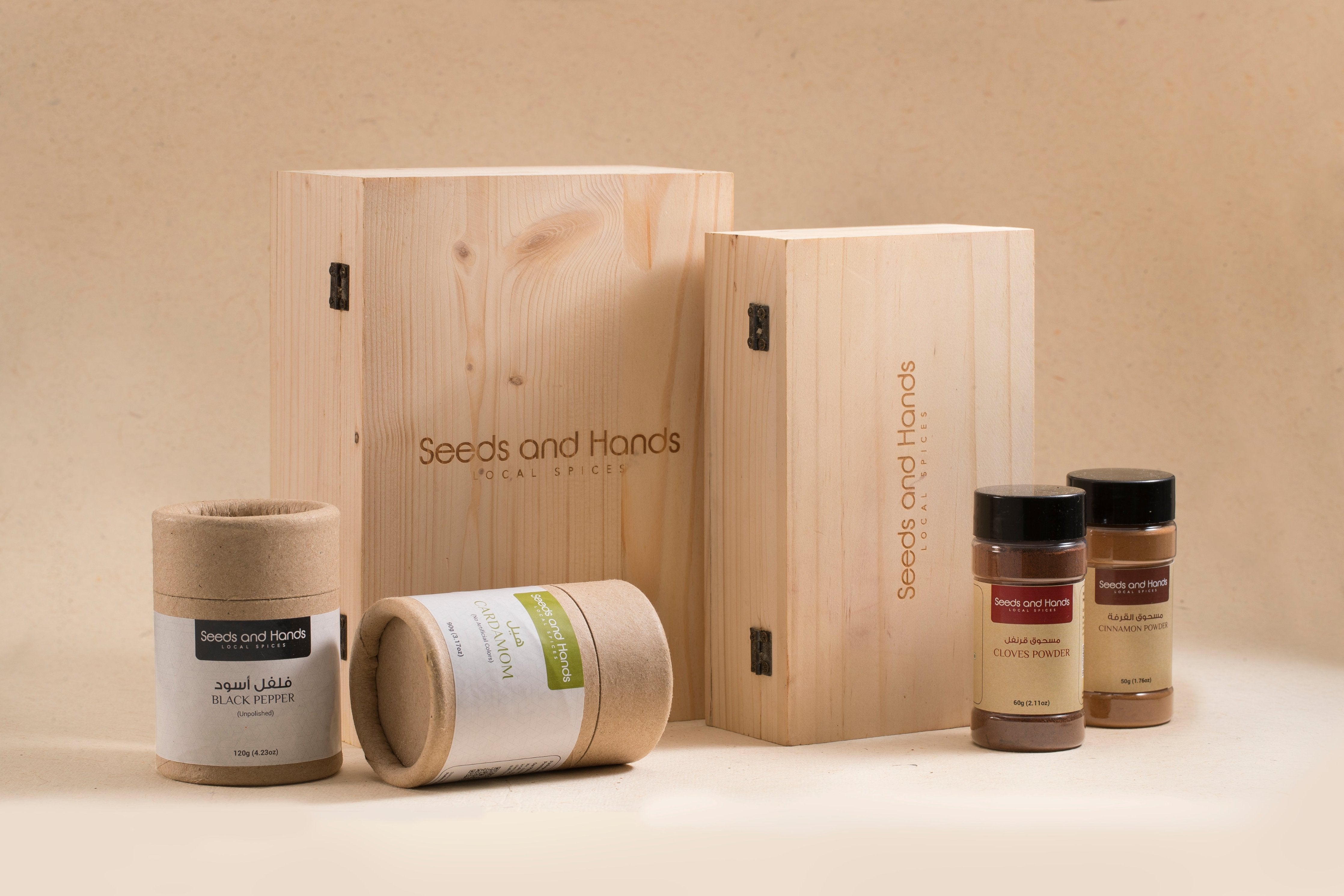
I use Seeds & Hands for most spices because they stay fresh longer and I have access to them through work, but any good-quality, fresh spice is fine. The key is freshness—check expiration dates and store spices in airtight containers.
How to Make It
Step 1: Prepare the Chicken (20 minutes)
-
Heat the ghee and fry the onions until golden (this takes 12-15 minutes—don't rush it)
-
Add ginger-garlic paste and green chillies, sauté for 2 minutes
-
Add tomatoes and cook until soft and oil separates (5-7 minutes)
-
Add the spice powders and salt, and cook for 2 minutes
-
Add chicken and cook until soft and coated well (10-12 minutes)
-
Add mint and coriander at the end