
Mattancherry: The Spice Capital of Kerala
By Shameer, Co-Founder, Seeds and Hands
Long before spices found their way onto supermarket shelves and into kitchens across the world, they travelled through the ports of Kerala, carried by merchants, sailors and traders from distant lands. Among the places that became closely associated with this trade was Mattancherry, a historic neighbourhood in Kochi that still carries the legacy of Kerala's spice trade.
To understand Mattancherry, one must first understand the story of the spices that brought the world to Kerala.
The beginning of Kerala's spice trade

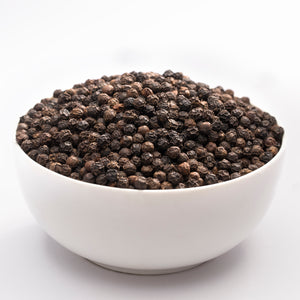
For centuries, Kerala's Malabar Coast was an important part of the international spice trade. Black pepper, often referred to as black gold, was among the most sought-after commodities, finding buyers across the Middle East, Europe and other parts of Asia.
Long before Kochi emerged as a major trading centre, the ancient port of Muziris was one of the important gateways for this trade. Historical accounts, including those of Roman writers and ancient Tamil literature, refer to ships arriving on the Malabar Coast carrying gold in exchange for pepper.
The spice trade connected Kerala with distant markets, making its ports important meeting points for different cultures and trading communities.
Over time, the centre of maritime trade along the coast shifted. Following the major geographical changes associated with the 1341 floods in the Periyar region, Kochi emerged as an important harbour and gradually developed into a significant centre for spice trading.
And it was here that Mattancherry would establish its own place in this history.
How Mattancherry became a centre of spice trading

Situated in the western part of present-day Kochi, Mattancherry developed into a bustling commercial neighbourhood. Its proximity to the harbour made it an important location for merchants involved in the movement and storage of goods.
Traders from different parts of the world came to Kochi, bringing with them their languages, customs, business practices and cultures. Jewish, Arab, Gujarati, Konkani and other trading communities became part of the area's social and commercial history.
The influence of these communities can still be seen in Mattancherry's streets and architecture.

One of the most recognisable landmarks is Jew Town, the historic street leading towards the Paradesi Synagogue, which was built in 1568. The area also houses Mattancherry Palace, reflecting another important chapter in the region's history.
But beyond its historical buildings, Mattancherry was also a place of business. Spices were brought in, stored, sorted and traded before making their way to different destinations.
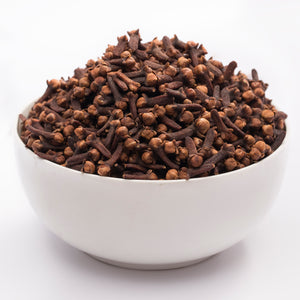
Pepper, ginger, cardamom, cloves and turmeric were among the commodities associated with this trade.
The warehouses that carried the aroma of Kerala

Walk through the spice-trading areas of Mattancherry today, and the connection to its commercial past becomes evident.
The warehouses lining the streets continue to handle spices and other agricultural commodities. Goods arrive in sacks, workers move them using handcarts, and spices are sorted, dried, packed and prepared for trade.

Kerala Tourism describes Jew Town as an important centre of spice trading, with warehouses dealing in ginger, cloves, cardamom, turmeric and black pepper.
Although the scale and nature of trade have changed over the years, the connection between Mattancherry and spices remains an important part of its identity.
What was once a major meeting point for international merchants is now also a destination for visitors interested in exploring Kerala's spice heritage.
From the spice trade to your kitchen
The journey of a spice does not end when it leaves a warehouse. Its quality depends on several things, including where it is grown, how it is harvested, how it is processed and how it is stored.

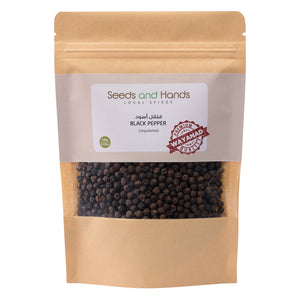
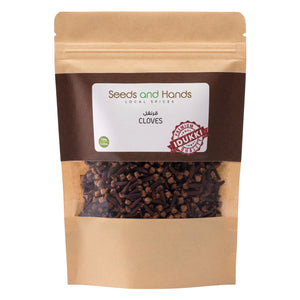
Kerala's spice-growing regions continue to play an important role in this journey. Idukki is particularly known for cardamom and other spices, while Wayanad is recognised for its black pepper and other agricultural produce.
Today, customers looking to buy spices in Mattancherry have access to a variety of whole spices and ground spices. However, knowing where a spice comes from and understanding how it has been handled are important when making a purchase.
A good spice is not simply about its appearance or colour. Its origin, freshness, aroma and quality matter just as much.
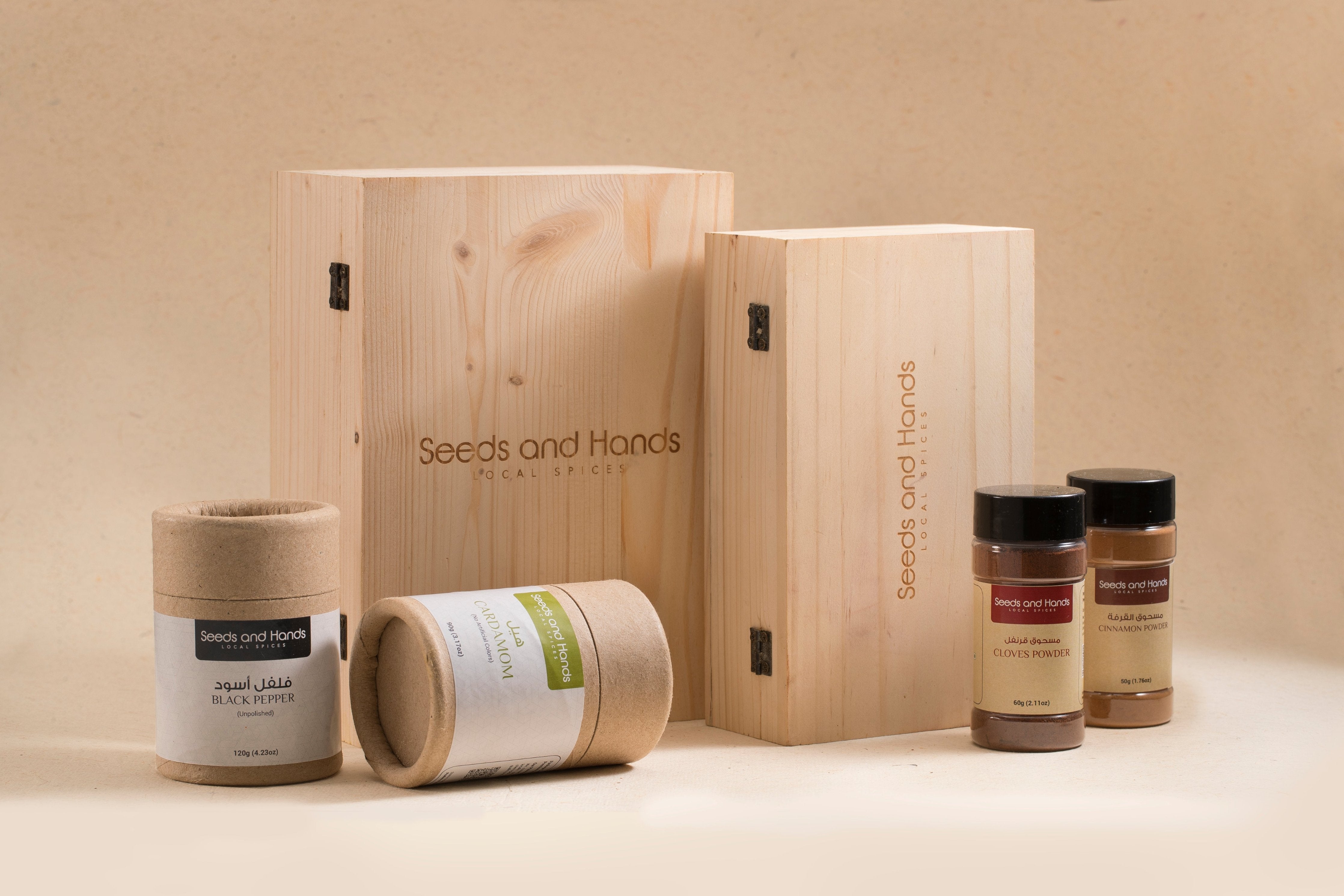
At Seeds and Hands, our connection to Kerala's spice heritage comes through our sourcing. We work with small-scale farmers in Wayanad and Idukki to source single origin spices, with a focus on quality, traceability and low-pesticide sourcing.
Our approach is centred on identifying suitable growing locations, visiting farms, selecting samples and having them tested against relevant pesticide standards before sourcing.
Mattancherry: A legacy that continues

The story of Mattancherry is more than the story of a neighbourhood. It is a story of trade, migration, cultures and the movement of spices across continents.
The merchants who once arrived here by sea helped establish connections between Kerala and the wider world. The warehouses, historic streets and trading communities remain reminders of that past.
Centuries may have passed, but spices continue to be an essential part of Mattancherry's identity.
And perhaps that is what makes this neighbourhood special. The story that began with traders arriving in search of Kerala's spices continues today, connecting the farms where spices are grown with the kitchens where they are used.
Mattancherry remains a place where the history of Kerala's spice trade can still be experienced, one street, one warehouse and one spice at a time.
Disclaimer
This blog is written and published by the team behind Seeds and Hands, a spice brand engaged in sourcing and selling spices. While we may have a commercial interest in the category, all information shared here is based on verified sources, hands-on industry experience, and internal quality checks. Opinions expressed are our own and are intended for educational and informational purposes only.
About the Author
Shameer serves as the Co-founder of Seeds and Hands, a spice company dedicated to sourcing single-origin, low-pesticide, and zero-pesticide spices directly from farmers. With extensive experience working alongside spice cultivators in Wayanad, Kerala, he has played a key role in building transparent, quality-driven sourcing networks.
His understanding of spice cultivation is shaped by close relationships with farming communities and hands-on involvement in sourcing and quality assessment, enabling Seeds and Hands to connect conscious consumers with authentic, responsibly sourced spices.