
Why Drink Cardamom Tea
By Maryam Haneef, Seeds and Hands editorial team — with sourcing notes from Shameer, Co-founder
Note: This post discusses the traditional and general wellness uses of cardamom as a food ingredient, not medical advice.
I'm a big-time tea lover. I drink every kind of chai possible, ginger tea, black tea, milk tea, evening tea, "just because" tea… literally everything.
But the day I added cardamom to my chai, everything changed. The flavour didn't just taste nice; it felt calming, clean, and, honestly, a little special.
Since then, cardamom tea has been my comfort cup. Simple, warm, and always relaxing. That's what inspired this blog: a cup that brings purity, calm, and care most easily.
What exactly is cardamom tea?

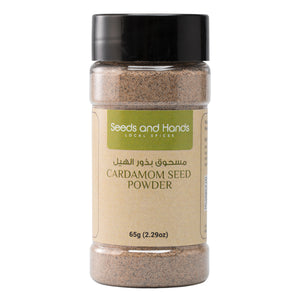
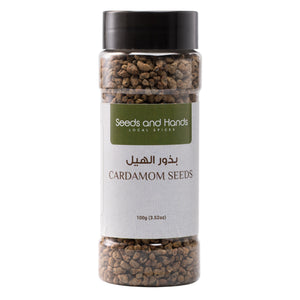
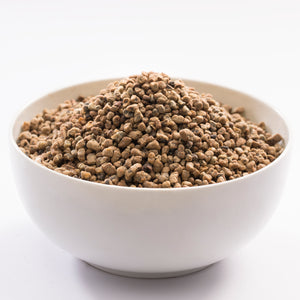
Cardamom tea is basically black tea brewed with crushed green cardamom pods, what many of us call green cardamom for tea or simply elaichi tea.
The spice comes from the Elettaria cardamomum plant, often called the "Queen of Spices" for its aromatic profile and gentle sweetness.
In India, we use cardamom to soften the taste of chai and make it more soothing. In the Middle East, it's the soul of Gahwa — a traditional Arabic coffee served as a sign of respect and warm hospitality.
It may look tiny, but cardamom carries a significant cultural identity. Wherever it's used, it stands for warmth, generosity, and genuine care.
Why cardamom tea feels different
Cardamom naturally contains essential oils like cineole and linalool, terpene compounds that give it that fresh, sweet smell. These elements contribute to the spice's unique aromatic profile. When you add it to tea, it:
-
Softens the sharpness of black tea
-
Makes the aroma fuller and calmer
-
Adds a gentle sweetness
-
Brings a warm, soothing feel
It basically turns your usual chai into a "slow down for a minute" moment — perfect for stress relief after a long day.
Science-backed cardamom tea benefits

Here are some gentle, safe, research-backed cardamom tea benefits, nothing exaggerated.
Supports healthy digestion
Studies show that cardamom may help stimulate digestive enzymes and reduce bloating and acidity. That's why it's considered a natural digestive tea.
Naturally freshens breath
Cardamom has antibacterial properties that help reduce oral bacteria linked to bad breath.
Source: Sharma, R. (2012), Journal of Oral Health & Community Dentistry (PMC)
Rich in antioxidants
Cardamom contains antioxidant compounds that help protect cells from oxidative stress.
Source: NIH / PubMed
May support heart health
Cardamom is a source of potassium and antioxidants, nutrients that are part of a heart-healthy diet. Ayurvedic practice has long valued it for supporting general circulatory wellbeing. If you have a diagnosed heart condition, speak with your doctor about dietary choices.
Source: Verma, S.K. et al. (2009), Indian Journal of Biochemistry & Biophysics, 46(6), 503–506 — View on PubMed
Helps create a calming effect
Cardamom's aroma is often used in Ayurveda as a natural relaxant. Its essential oils may help reduce tension and promote mental clarity — a true companion for stress relief.
Source: Ayurvedic Pharmacopoeia (Government of India)
May aid metabolic balance
Cardamom has been used in Ayurvedic tradition as part of a balanced diet to support general metabolic wellbeing. Early research into cardamom and metabolic markers is ongoing — findings so far are based on supplement-level doses, not the amount in a daily cup of tea.
Source: Yahyazadeh, R. et al. (2021), Iranian Journal of Basic Medical Sciences — View on PMC
How It adds magic to regular chai
If you're used to normal milk chai, cardamom does two things instantly:
-
Softens the taste — the bitterness of tea is reduced.
-
Makes the aroma 10x better — even before drinking, it relaxes you.
It's like your tea suddenly becomes more mindful, more soothing.
A simple elaichi tea recipe
Here's a straightforward elaichi tea recipe you can follow at home.
Ingredients
-
1½ cups water
-
2–3 crushed green cardamom pods
-
1 tsp black tea leaves
-
½ cup milk (optional)
-
Honey or jaggery to taste
Method
- Boil water.
- Add crushed cardamom and let it release aroma for 2 minutes.
- Add tea leaves and simmer.
- Pour milk if using.
- Strain & sweeten.
That's it — a warm cup of calm.
Expert opinions

-
Ayurveda has long classified cardamom as a “sattvic” spice — one that promotes clarity, calm, and balance. Food scientists point to its essential oil content as the reason for both its distinctive aroma and its recognised digestive properties. For a deeper read, the references below link to the primary sources.
Why purity matters — especially in spices

The quality of cardamom decides everything — aroma, oil content, and even how calming the tea feels.
Shade-grown Wayanad cardamom is known for:
-
Higher natural oil levels
-
Better aromatic profile
-
Slower drying
-
Cleaner flavour
This seed-to-cup approach ensures you're getting the full benefits of pure, quality cardamom in every sip.How to Make Cardamom Tea a Daily Ritual
You can easily fit it into your routine:
-
Start your day with a gentle, warm cup
-
Replace your evening coffee with a cup that supports better sleep
-
Sip after meals to ease your system — a perfect digestive tea
-
Add a squeeze of lemon when you want something refreshing
Small ritual, big feel-good moment.
Conclusion — a cup that slows you down

Cardamom tea isn't just about taste. It's about slowing down, breathing a little deeper, and choosing purity in small ways.
Every time I drink it, I'm reminded that simple things — like one green pod — can genuinely make your day feel lighter.
If you haven't tried it yet, brew a cup. Let the aroma settle your mind, and the flavour warm you from the inside.
Disclaimer
This blog is written and published by the team behind Seeds and Hands, a spice brand engaged in sourcing and selling spices. While we may have a commercial interest in the category, all information shared here is based on verified sources, hands-on industry experience, and internal quality checks. Opinions expressed are our own and are intended for educational and informational purposes only.
About the author
Maryam Haneef is part of the Seeds and Hands content team, with a focus on making spice culture and traditional recipes accessible to everyday home cooks. Sourcing accuracy and product notes in this post are contributed by Shameer, Co-founder of Seeds and Hands, who works directly with farming families in Wayanad and Idukki, Kerala.
References
[1] Digestion & Digestive Enzymes Verma, S.K., Jain, V., & Katewa, S.S. (2009). Blood pressure lowering, fibrinolysis enhancing and antioxidant activities of cardamom (Elettaria cardamomum). Indian Journal of Biochemistry & Biophysics, 46(6), 503–506.Source
[2] Oral Health & Antibacterial Properties Sharma, R. (2012). Cardamom comfort. Journal of Oral Health & Community Dentistry (PMC).Source
[3] Antioxidants & Heart Health Yahyazadeh, R., et al. (2021). The effect of Elettaria cardamomum (cardamom) on the metabolic syndrome: Narrative review. Iranian Journal of Basic Medical Sciences, 24(11), 1462–1469.Source