
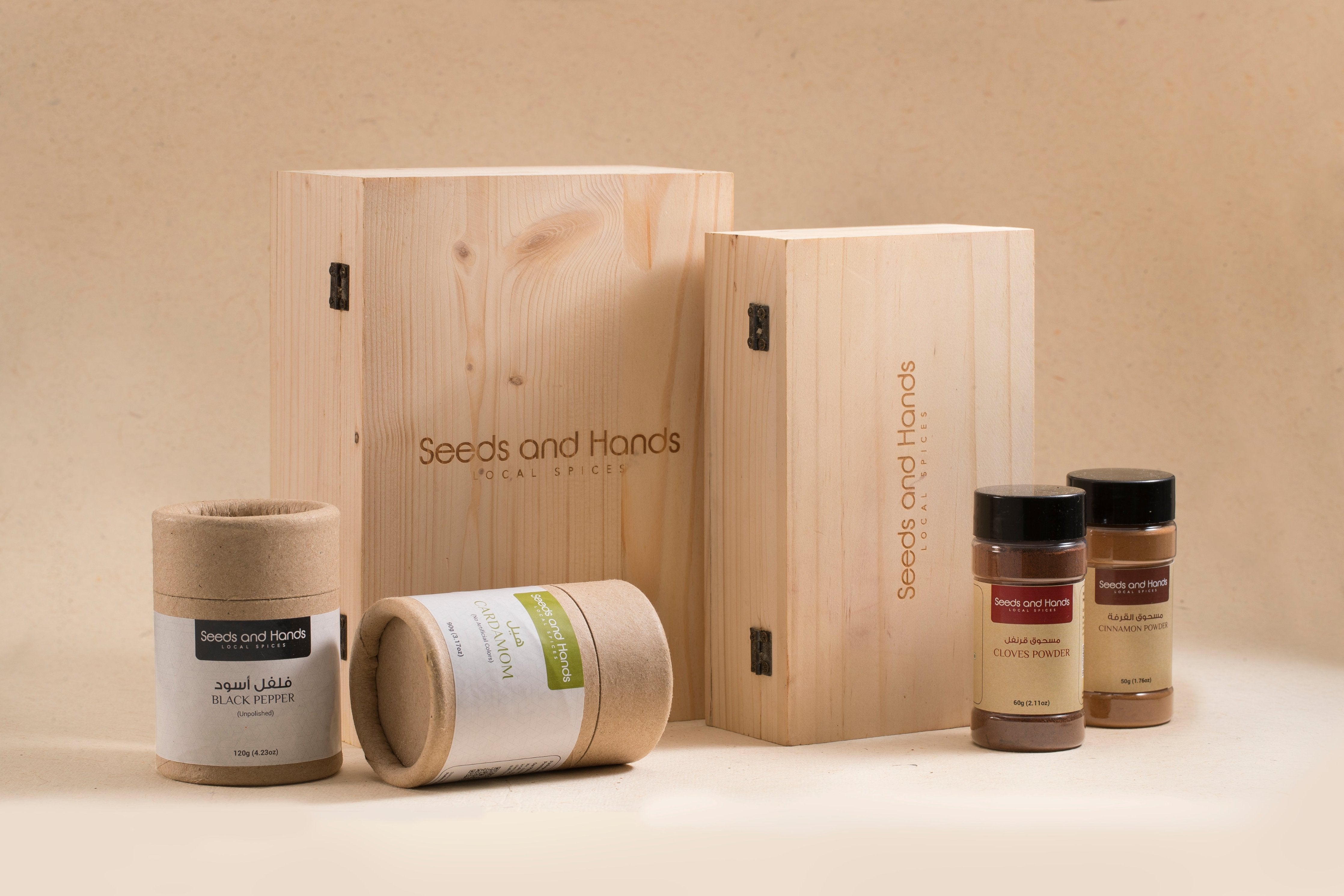

Why Tea Blending Companies Love Seeds and Hands: A Story of Consistency, Transparency, and Innovation
By Shajahan, Co-Founder, Seeds and Hands
When we started Seeds and Hands in 2018 with a simple mission—supplying single-origin, low pesticide spices through Amazon—we never imagined that a customer complaint would become our defining moment. That complaint led us to discover a hidden market need that would transform our business and build lasting partnerships with tea blending companies across India and beyond.
This is the story of how transparency in supply chain practices, scientific testing, and an unwavering commitment to quality made us the preferred supplier of wholesale spices for tea blending professionals.
The Customer Who Changed Everything
About a couple of years into our Amazon journey, we noticed something unusual: a customer was purchasing bulk cardamom for tea in large quantities, month after month. Then one day, they raised an issue—they'd noticed a variation in taste in their recent batch.
For most sellers, this would have been just another complaint to handle. For us, it became an opportunity to listen.
When we reached out to understand their concern, we discovered they weren't using our cardamom for cooking or home use. They were tea blenders, and they'd been consistently buying from us because they found our tea blending spices to have remarkably consistent flavor profiles. This sourcing consistency was critical for them—any variation in spice flavor would completely alter how their tea tasted.
That conversation was a revelation. We realized how much consistency in spice flavors mattered for tea blending companies, where every batch of tea must taste identical to maintain brand reputation and customer loyalty.
Why Single Origin Matters in Tea Blending

The tea blending industry is highly demanding. Professional tea blenders must balance flavors, aromas, and visual appeal to craft a consistent product that meets and exceeds consumer expectations. Master tea tasters practice for years, tasting hundreds of cups every day to maintain quality cup profiles, and any variation in spice ingredients can disrupt their carefully calibrated recipes.
Our customer helped us understand that single-origin spices weren't just a marketing feature—they were a functional necessity for professional blenders. When spices come from a specific region with consistent:
-
Climate conditions (rainfall patterns, temperature ranges)
-
Soil composition (mineral content, pH levels)
-
Water sources (groundwater quality, irrigation methods)
-
Agricultural practices (traditional farming techniques)
...they produce flavors that remain stable across harvests. This geographic and environmental consistency translates directly into flavor consistency, which is what tea blenders desperately need.
For tea companies creating signature blends—whether it's spices for chai tea, cardamom tea, or spiced Earl Grey—sourcing from multiple origins means constant flavor variations that require recipe adjustments. Single-origin spices eliminate this unpredictability.
The Transparency That Built Trust
The second thing that sets Seeds and Hands apart was something many B2B spice supply companies avoid: radical transparency in supply chain operations, particularly regarding pesticide levels.
In 2023, cardamom procured by Kerala's Sabarimala temple was found to contain residues of 14 pesticides exceeding maximum residue limits, in some cases by factors of more than ten or even a thousand times the permitted 0.01 mg/kg limit. This high-profile case highlighted what has become a serious concern in India's spice industry, particularly for specialty crops like cardamom.
Kerala produces nearly 90% of India's cardamom from 40,345 hectares, and research has documented pesticide residues in the soils of cardamom plantations across Idukki district, the heart of cardamom cultivation.
From day one, we made a conscious decision to educate our customers about pesticide levels rather than hide behind generic "safe" or "natural" claims. We were honest about which spices could be completely pesticide-free and which could only achieve low pesticide levels due to environmental contamination or agricultural necessities.
This transparency resonated with tea blending companies, who were themselves under pressure to meet increasingly stringent safety standards for their products. Tea importers and blenders must ensure the safety of ingredients that combine tea with fruits, nuts, spices, and herbs, requiring the same diligence as any food processor.
The Cardamom Seeds Discovery: Our Eureka Moment

The trust we built through transparency in supply chain practices led to an extraordinary request from our tea blending customer. They needed cardamom that was completely free of pesticide residues—not just low pesticide, but zero.
They'd tested all available cardamom in the market and found every single sample had traces of pesticides. They came back to us specifically because they knew we were honest about our limitations. They trusted that if anyone could solve this problem for their wholesale spices for tea operation, we could—or at least, we'd be honest if we couldn't.
We accepted the challenge.
Instead of testing whole cardamom pods as everyone else did, we took a different approach: we tested the outer shell and the seeds separately.
The results were stunning. While the outer green cardamom shell showed pesticide residues (likely from field spraying and environmental exposure), the seeds inside tested completely free of pesticide traces—zero detection.
This was our eureka moment.
Creating Category Innovation for Tea Blenders
Armed with this discovery, we started supplying cardamom seeds specifically for tea blending purposes. For our customers making cardamom tea, cardamom chai, or medicinal wellness blends, this was transformative:
-
100% pesticide-free certification - backed by third-party lab testing
-
Stronger flavor concentration - seeds contain the essential oils without dilution from the shell
-
Easier processing - no need to remove shells before grinding
-
Premium positioning - ability to market teas as pesticide-free with scientific proof
We began creating awareness among all our customers about this option, helping them understand when to choose whole cardamom versus seeds based on their application.
For tea blending companies specifically, cardamom seeds became a game-changer. With the growing focus on health and wellness, blended teas that incorporate functional ingredients with specific health benefits appeal to health-conscious consumers in a flavorful format. Our pesticide-free cardamom seeds allowed tea companies to market their wellness teas without compromise authentically.
The Three Pillars That Make Us Different

Through seven years of working with tea blending companies, we've identified what truly matters to them:
1. Consistency Above All
Tea brands may blend teas from as many as 30 countries to get the best combination of appearance, flavor, cost, and consistency. It's essential to a brand that the taster's recipe be produced in quantity and batch runs to an exact standard and character.
Our single origin approach provides the baseline sourcing consistency that allows tea tasters to perfect their recipes once and replicate them thousands of times. When a tea company creates a signature blend with our Wayanad cardamom or other tea blending spices, they know that every subsequent order will deliver the same flavor profile.
2. Scientific Transparency
We don't just claim low pesticides—we test and share results. We maintain relationships with certified testing laboratories and conduct batch testing for pesticide residue analysis following the CODEX international standard.
When tea companies ask for documentation for their own compliance requirements, we provide complete test reports without hesitation. This level of transparency in supply chain operations sets a new standard for B2B spice supply in the industry.
3. Solution-Oriented Partnership
The cardamom seeds innovation is just one example of how we approach customer challenges. When tea blenders come to us with specific requirements—whether it's a particular granulation size for spices for chai tea, a moisture specification, or a purity standard—we work backward from their needs to find solutions.
We've helped customers navigate:
-
Export documentation for international markets
-
Organic certification requirements
-
Kosher and Halal specifications
-
Custom packaging for bulk orders
Why Tea Blending Is Different (And Why We Love This Market)
Working with tea blending companies has taught us that this market operates at a different level than retail consumers. Tea blending requires highly sensitive sensorial capacities and years of training before mastering the art of creating or maintaining quality cup profiles.
These are professionals who:
-
Taste with precision - detecting subtle variations that average consumers miss
-
Think in batches - requiring consistency across hundreds of kilograms, not just pounds
-
Value relationships - preferring reliable B2B spice supply partners over constant price shopping
-
Demand documentation - needing traceability for regulatory compliance and quality assurance
This professional market rewards exactly what we do best: consistent quality, transparent practices, and scientific rigor.
The tea industry in the US alone is expected to reach $1.5 billion in 2025, and Indian tea manufacturers are experimenting with fermentation times and methods to develop specialty flavored blends that cater to increasingly sophisticated consumer palates. As the market grows and becomes more sophisticated, the demand for high-quality, traceable wholesale spices for tea only increases.
Looking Forward: Building the Future of Spice Sourcing
Seven years after that first bulk cardamom for tea order, we now work with tea blending companies ranging from small artisanal tea houses to larger commercial operations. Each relationship reinforces our founding principles:
Experience matters. Our hands-on journey from Amazon seller to specialized B2B supplier gives us insights that can't be learned from textbooks.
Expertise is earned. Through countless tests, trials, and customer collaborations, we've developed deep knowledge about how tea blending spices behave in different applications.
Authority comes from results. Our customers validate our expertise by returning order after order, year after year.
Trust is built through transparency. When we say "low pesticide," we have test reports. When we say "single origin," we can name the district and farmer. This transparency in supply chain operations is non-negotiable for us.
The tea blending companies who love working with us don't just appreciate our products—they value the partnership. They know that when they face a quality challenge or need to develop a new blend with spices for chai tea or other specialty applications, we'll approach it with the same scientific curiosity and customer-first mindset that led us to discover the pesticide-free potential of cardamom seeds.
Connect With Us
Whether you're a tea blending company looking for consistent, traceable tea blending spices or a business seeking to understand how single origin sourcing consistency can improve your products, we'd love to share our experience and expertise.
Seeds and Hands continues to grow alongside our customers, constantly learning and innovating to solve real-world problems in the specialty food and beverage industry.
Because at the end of the day, the best partnerships are built on trust, transparency in supply chain practices, and a shared commitment to quality that consumers can taste in every cup.
About the Author:
Shahjahan is Co-Founder of Seeds and Hands, a Kerala-based spices company specializing in single-origin, low-pesticide spices for professional food and beverage applications. With seven years of experience supplying premium wholesale spices for tea blending companies, food manufacturers, and specialty retailers, Shahjahan brings firsthand knowledge of supply chain challenges, quality testing protocols, and the importance of agricultural traceability in the specialty food industry.
Seeds and Hands has been operating since 2018, initially through Amazon before expanding into B2B partnerships with tea blenders and food manufacturers. The company works directly with farmers in Kerala and maintains ongoing relationships with certified testing laboratories for pesticide residue analysis and quality verification.
References & Further Reading:
-
Food Safety and Standards Authority of India (FSSAI) - Maximum Residue Limits for Pesticides: fssai.gov.in
-
Directorate of Plant Protection, Quarantine and Storage - List of Banned Pesticides in India (2024): ppqs.gov.in
-
Nafeesa, M., et al. (2024). "Cardamom cultivation and pesticide management in Kerala." Current Science, Vol. 126, No. 8.
-
Kerala Agricultural University - Cardamom Research Station, Pampadumpara: kau.in
-
Specialty Tea Association - Quality Standards in Tea Making: specialtyteaassociation.org
-
Scientific research on tea processing: "Innovative technologies in tea-beverage processing for quality improvement" - ScienceDirect (2022)
Note: This article is based on the author's direct experience and is supplemented by cited research on tea blending practices and pesticide regulations in India. All testing claims refer to specific batches tested by Seeds and Hands and should not be considered universal statements about cardamom cultivation.