
Why European Kitchens Swear by White Pepper, And How Kerala's Varieties Stand Out
By Shameer, Co-founder, Seeds and Hands
Most people keep black pepper in their kitchen. Far fewer keep white pepper. But ask any French chef which one they reach for when making a cream sauce, and the answer is always white pepper.
It's not about preference—it's about function. When comparing white pepper vs black pepper, white pepper does something black pepper can't: it adds heat without leaving dark specks in light-colored dishes. That's the simple reason it became essential in European kitchens. But there's more to the story, especially when it comes to where the pepper is grown.
Why European Chefs Choose White Pepper
French cooking has a straightforward rule: white sauces get white pepper. The logic is practical. A béchamel or velouté needs to look smooth and uniform. Black pepper disrupts that. White pepper gives you the same warmth without the visual distraction.
German kitchens use it for similar reasons, pairing it with herbs in potato dishes and sausages. Italian cooks add it to risottos and seafood where they want mild heat but not boldness.
The preference goes back centuries. European chefs learned that white pepper's sharper, slightly earthy flavor works better with butter, cream, and delicate proteins. It enhances rather than dominates.

pepper starts with fully ripe berries that are soaked in water for 10 to 15 days. This loosens the outer skin through outer husk removal, which is then rubbed off completely. What remains is the inner core—the part with the most piperine.
Piperine is the compound that makes pepper hot. In white pepper, over 90% of the total piperine content sits in this inner core. That's why white pepper can taste sharper than black, even though it looks milder.
The fermentation also changes the flavor. White pepper has a slightly musty, earthy quality that black pepper doesn't. Some cooks love it, others find it too strong. It depends on how you use it.
The Health Side of White Pepper
White pepper isn't just about flavor. Research shows piperine affects how your body processes food.
Studies from India's Central Food Technological Research Institute found that piperine stimulates digestive enzymes like pancreatic lipase, amylase, and trypsin. It also increases saliva production. It tells your digestive system to work more efficiently.
One study in Planta Medica showed that piperine increased curcumin absorption by 2,000 percent in animal trials. This is why turmeric supplements often include black pepper extract. The same principle applies to white pepper.
White pepper also contains antioxidants—polyphenols and flavonoids that help reduce oxidative stress. Research suggests piperine may reduce pain and inflammation, though most studies have been conducted in laboratory settings.

Why Wayanad Pepper Stands Out

Not all pepper-growing regions produce the same quality. Wayanad, a district in northeastern Kerala, has a reputation for growing some of the best pepper in India. Kerala white pepper from this region offers a compelling alternative to imported varieties like Muntok pepper.
The geography explains why. Wayanad sits at 700 to 2,100 meters above sea level. The elevation keeps temperatures moderate, and the area receives heavy rainfall throughout the monsoon. The soil is red laterite, rich in organic matter and minerals.
These conditions stress the pepper vines just enough to concentrate their essential oils. Wayanad pepper is known for being bold and pungent with high piperine content, making it a prized choice among gourmet spices.
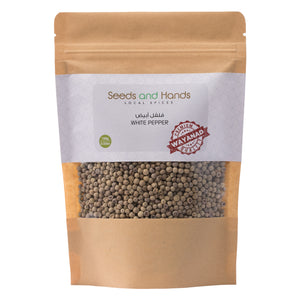
Many farmers here follow traditional methods passed down through generations. Low-pesticide or zero-pesticide cultivation isn't new—it's how things have been done for decades in certain areas. At Seeds and Hands, we source our white pepper directly from these farms in Wayanad, working with growers who understand that soil health determines spice quality.

What to Look for in Quality White Pepper
If you're buying white pepper, here's what separates good from average:
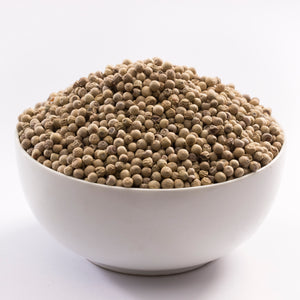
Uniform Color: Look for consistent beige to light gray coloring. Uneven colors suggest mixed batches or poor processing.
Consistent Size: Quality producers sort peppercorns carefully. Uniform sizing indicates attention to detail.
Clean Aroma: It should smell sharp and slightly fermented, not musty or flat. Mustiness signals poor storage.
Single Origin: Pepper from a specific region, like Wayanad, lets you trace quality back to the growing conditions. Generic white pepper could come from anywhere.

How to Use White Pepper
European chefs have refined white pepper uses over time. Here's their approach:
Cream-Based Sauces: Add white pepper early in the cooking process so it distributes evenly. It works especially well in béchamel, Alfredo, and velouté sauces. When making creamy sauces, white pepper maintains the visual appeal while delivering warmth.
Mashed Potatoes: White pepper enhances the potato's natural flavor without overwhelming it. Use freshly ground for the best results.
White Fish and Seafood: The gentle heat complements delicate seafood. Add it near the end of cooking or just before serving.
Clear Soups and Broths: White peppercorns in stocks add depth while keeping the liquid visually clear—important for consommés.
Asian Dishes: While European-style white pepper differs from fermented Asian varieties, Kerala white pepper works well in stir-fries and noodle dishes where you want heat without visual presence.
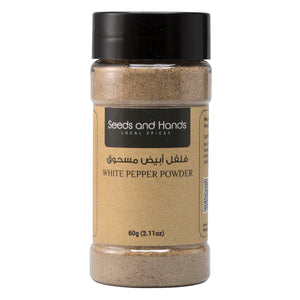
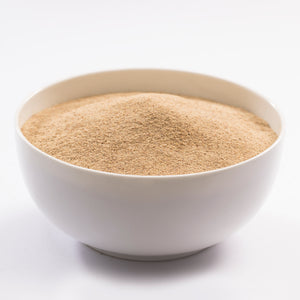
Storage Tip: Keep white pepper in an airtight container away from light and heat. Grind fresh when possible—pre-ground loses potency quickly.
Sustainability Matters
Sustainable farming preserves what makes regions like Wayanad productive—healthy soil, active microbial ecosystems, and traditional cultivation knowledge passed through generations.
Low-pesticide cultivation maintains soil biology. Beneficial microorganisms stay active, helping plants absorb nutrients naturally. The soil retains its structure and drainage. The pepper develops cleaner flavors with higher essential oil content.
At Seeds and Hands, we source from Wayanad farmers practicing these methods. It requires more hands-on work and deeper land knowledge, but produces white pepper that's aromatic and free from chemical residues—the way pepper should taste.
Starting with White Pepper
If you've never cooked with white pepper, start simple. Use it in mashed potatoes or a cream sauce. Notice how it adds warmth without announcing itself visually.
The difference becomes clear when you use pepper from a quality source. The sharp, clean heat. The way it enhances other flavors. The subtle complexity that comes from careful cultivation and processing.
That's what European chefs figured out centuries ago. And it's why Kerala's best white pepper continues to find its way into kitchens that care about quality.
About the Author
Shameer serves as the Co-founder of Seeds and Hands, a spice company dedicated to sourcing single-origin, low-pesticide, and zero-pesticide spices directly from farmers. With extensive experience working alongside spice cultivators in Wayanad, Kerala, he has played a key role in building transparent, quality-driven sourcing networks.
His understanding of spice cultivation is shaped by close relationships with farming communities and hands-on involvement in sourcing and quality assessment, enabling Seeds and Hands to connect conscious consumers with authentic, responsibly sourced spices.
References
- Evidence-Based Complementary and Alternative Medicine, 2014. "White Pepper and Piperine Have Different Effects on Pharmacokinetics." [PubMed Central PMC4058586]
- Norman, J. The New Penguin Cookery Book. Penguin Books, 2001.
- Planta Medica - Studies on piperine and curcumin bioavailability
- Central Food Technological Research Institute, Department of Biochemistry and Nutrition, India - Piperine digestion studies
- McFadden, C. Pepper: The Spice That Changed the World
- Kerala Agricultural University - Panniyur Pepper Research Centre publications
- Journal of Agricultural and Food Chemistry - Piperine metabolism studies
- Nutrition Research - Gastrointestinal transit time studies
- WebMD - White Pepper: Overview, Uses, Side Effects